
Disclosure: This post may contain affiliate links. We may earn a commission if you sign up through our links, at no extra cost to you.
Most Canadians have heard that the TFSA is “tax-free.” Yet surprisingly, many still misunderstand how TFSA taxes actually work.
The truth is simple: TFSA taxes explained for Canadians reveals one of the most powerful wealth-building tools available in Canada today.
If used correctly, a TFSA can allow decades of investment growth without ever paying tax on profits, dividends, or withdrawals.
Let’s break everything down clearly.
Why Canadians Misunderstand TFSA Taxes
Many people assume a TFSA is just a savings account. Others think withdrawals are taxed later like an RRSP.
However, neither is true.
Understanding TFSA taxes explained for Canadians means recognizing that the account is designed for investing, not just saving.
Because of its flexibility and tax advantages, the TFSA often becomes the foundation of long-term wealth building.
What Is a TFSA? (Quick Overview)
Tax-Free Savings Account definition
A TFSA is a registered investment account created by the Canadian government.
You contribute after-tax dollars, but investment growth becomes tax-free.
Why it’s powerful
Inside a TFSA:
- Investments grow tax-free
- Withdrawals remain tax-free
- Income doesn’t affect benefits
Who can open one
You must:
- Be a Canadian resident
- Have a valid SIN
- Be age 18 or older (varies by province)
According to CRA TFSA overview, contribution room begins accumulating once eligible.
Are TFSAs Really Tax-Free?
Yes, but understanding the details matters.
No tax on growth
Capital gains inside a TFSA are never taxed.
No tax on dividends
Canadian dividend income remains tax-free.
No tax on withdrawals
Withdrawals do not count as income and do not trigger taxes.
CRA rules overview
The Canada Revenue Agency treats the TFSA differently from taxable accounts or RRSPs.
This is why learning TFSA taxes explained for Canadians is essential for maximizing long-term compounding.
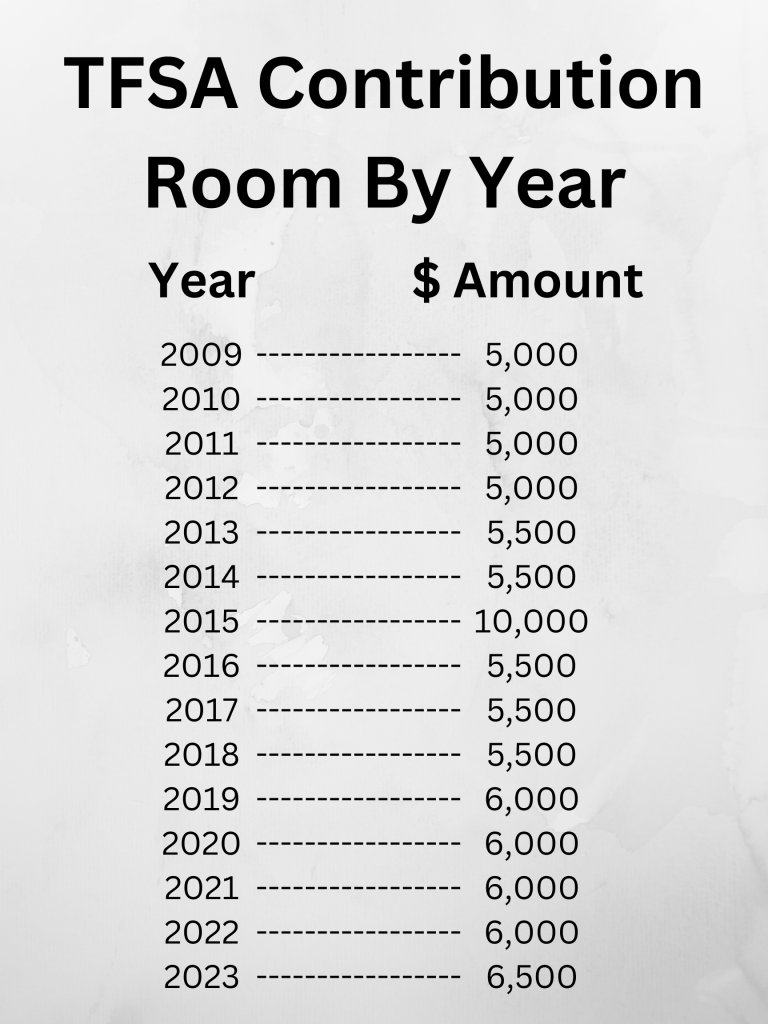
TFSA Contribution Rules (2026)
Contribution rules are where most mistakes happen.
Annual limits
Each year, the federal government sets a new contribution limit.
Lifetime room
Unused room accumulates permanently.
Carry-forward room
If you didn’t contribute in previous years, you still keep that room.
Eligibility age
Contribution room starts accumulating once you turn 18 and become a Canadian resident.
TFSA vs RRSP vs FHSA explains how TFSA limits compare to other accounts.
What Happens If You Overcontribute?
Overcontributions are one of the few ways to trigger TFSA taxes.
CRA penalties
The CRA applies a penalty when contributions exceed available room.
1% monthly tax
You may owe a 1% tax per month on the excess amount.
How to fix mistakes
Remove the excess contribution immediately once discovered.
The CRA explains penalties in detail in TFSA overcontribution rules.
TFSA Withdrawals and Taxes
Withdrawals are extremely flexible.
Withdraw anytime
You can withdraw funds whenever needed.
Contribution room returns
The withdrawn amount is added back to your contribution room next calendar year.
Timing mistakes Canadians make
Re-contributing too soon in the same year can accidentally create overcontributions.
Understanding withdrawal timing is a key part of TFSA taxes explained for Canadians.
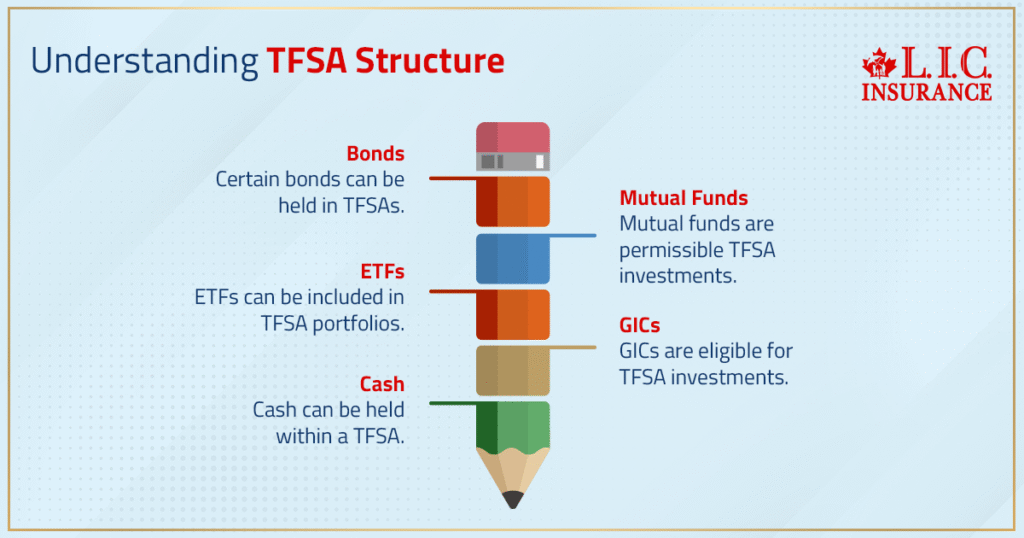
TFSA Investing Taxes Explained
Not all investments behave identically inside a TFSA.
Canadian dividends
Fully tax-free inside the account.
Capital gains
No capital gains tax applies.
ETF taxation
Canadian-listed ETFs remain tax-efficient.
Foreign withholding tax
U.S. dividends may still face withholding tax because it occurs before reaching your TFSA.
Best ETFs for Canadian Investors helps choose tax-efficient funds.
Passive Income Investing Canada explains income strategies.
For foreign tax details, see Investopedia’s foreign withholding tax explanation.
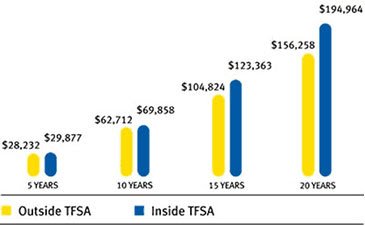
TFSA vs Taxable Account (Tax Comparison)
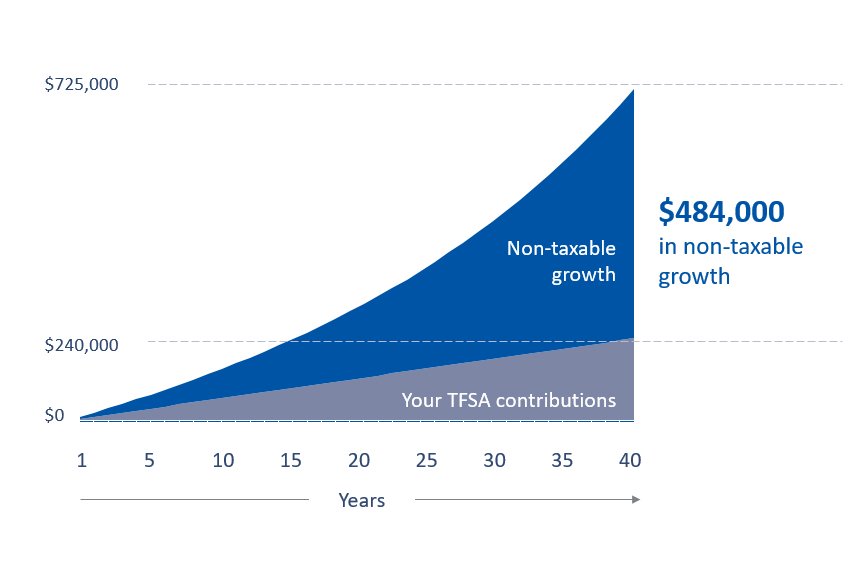
The long-term difference is enormous.
Example scenario
Investor A uses a taxable account.
Investor B uses a TFSA.
Both earn identical returns.
Over 25 years:
- Taxable account pays ongoing taxes
- TFSA keeps 100% of growth
Long-term advantage
Tax-free compounding accelerates wealth dramatically.
Compounding impact
Even small tax savings compound into large differences over decades.
This comparison shows why mastering TFSA taxes explained for Canadians can dramatically improve outcomes.
What NOT to Do Inside a TFSA
The TFSA is powerful, but misuse can cause problems.
Day trading risks
Frequent trading may be classified as business activity by CRA.
Business activity rules
Active trading profits could become taxable.
Speculation warnings
Highly speculative trading defeats the long-term tax advantage.
According to CRA guidance on TFSA business activity, excessive trading can trigger taxation.
TFSA Strategy for Maximum Wealth
To fully benefit from TFSA tax rules, strategy matters.
Growth investing first
Place high-growth assets in your TFSA whenever possible.
Long-term compounding
Avoid frequent withdrawals early.
Asset location strategy
Use TFSA space for investments with the highest expected growth.
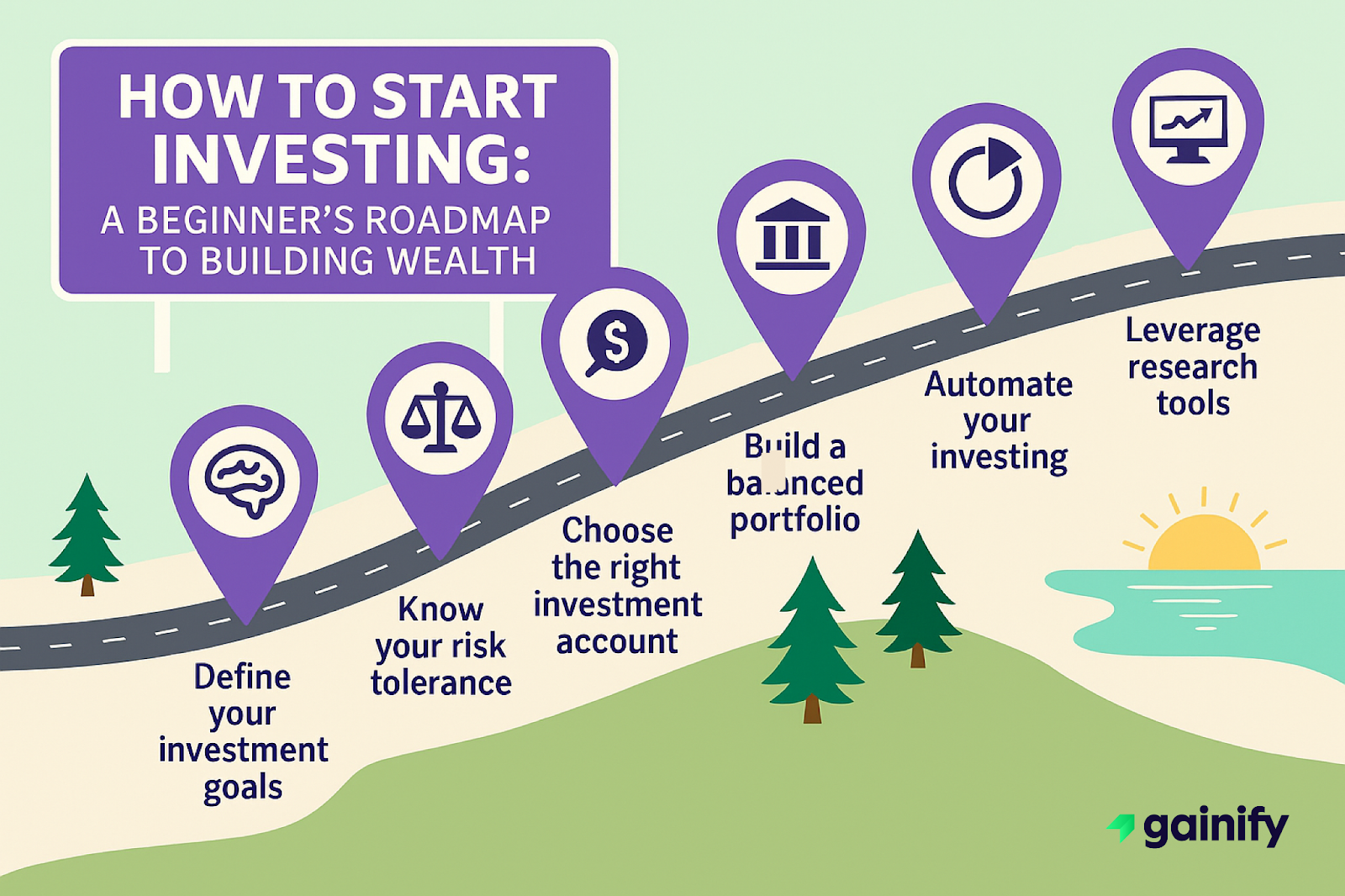
Beginner Investing Roadmap shows how to start correctly.
How to Build a 6-Figure Portfolio explains long-term scaling.
When applied consistently, the principles of TFSA taxes explained for Canadians turn the account into a long-term wealth engine.
Common TFSA Myths
“Only for savings”
The TFSA is primarily an investment account.
“Small investors only”
High earners benefit enormously from TFSAs.
“Withdrawals reduce limits forever”
False. Contribution room returns the following year.
Understanding these myths prevents costly mistakes.
TFSA Checklist
Before finishing, confirm these steps:
✅ Check contribution room
✅ Invest consistently
✅ Avoid overcontribution
✅ Think long term
When used properly, the TFSA becomes one of the strongest financial tools available in Canada.
Frequently Asked Questions
Do I pay taxes when withdrawing from a TFSA?
No. Withdrawals are completely tax-free.
Can I lose TFSA room permanently?
Only if overcontribution penalties occur or non-qualified investments are used.
Is a TFSA better than an RRSP?
It depends on income level and goals.
Can I hold ETFs in a TFSA?
Yes, and many Canadians do.