
Disclosure: This post may contain affiliate links. We may earn a commission if you sign up through our links, at no extra cost to you.

Recessions feel scary. Headlines get dramatic. Markets swing wildly. Confidence drops.
However, here’s the reality: recessions are normal.
If you want long-term financial success, learning how to protect your wealth in a recession in Canada is more important than trying to predict the next one.
This guide focuses on protection, discipline, and positioning, not panic.
Why Recessions Are Normal (and Inevitable)
Economic cycles are part of capitalism. Periods of growth are naturally followed by slowdowns.
Because businesses expand, contract, adjust, and adapt, recessions eventually happen. That doesn’t mean the system is broken. It means it’s cyclical.
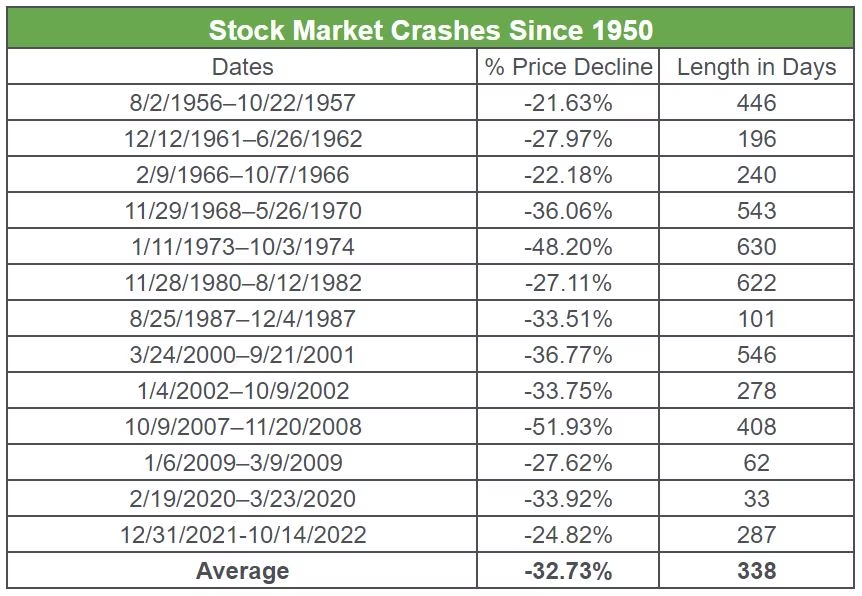
Historically, markets recover. According to Investopedia’s recession overview, downturns have always been followed by expansions over time.
Therefore, the goal isn’t to avoid recessions. Instead, it’s to survive them intelligently.
What Is a Recession?
Before protecting your wealth, understand what you’re facing.
Economic slowdown definition
A recession typically means two consecutive quarters of declining economic activity.
Market volatility
Stocks often fall sharply before or during recessions.
Why they happen
Common triggers include:
- Rising interest rates
- Financial bubbles
- Supply shocks
- Consumer slowdown
Understanding this context makes it easier to focus on strategy instead of fear.
What Happens to Investments During a Recession?
Different assets react differently.
Stocks drop
Equities often fall 10–30% or more.
Bonds react differently
High-quality bonds often stabilize portfolios, although not always perfectly.
Real estate impact
Housing can slow or decline, especially if credit tightens.
Emotional selling
The biggest damage usually comes from investors, not markets.
Because fear drives poor decisions, discipline becomes your strongest defense.
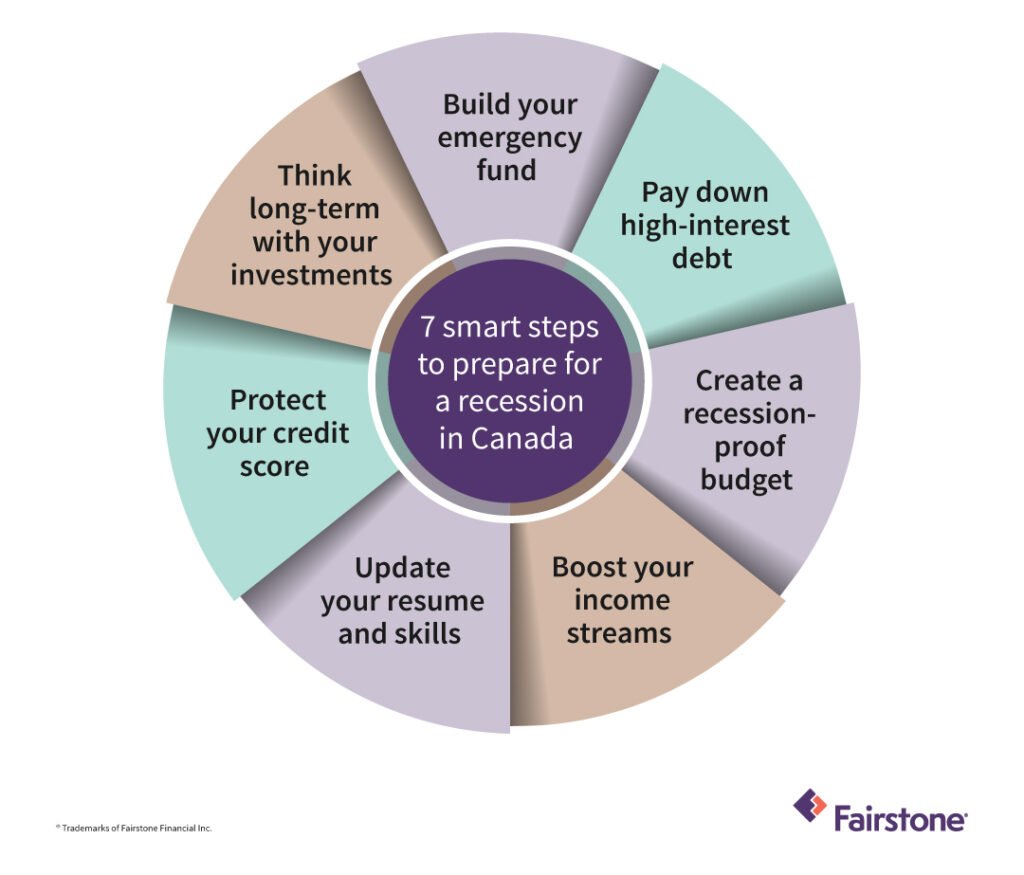
Step 1: Build a Strong Emergency Fund
Before worrying about your portfolio, protect your cash flow.
3–6 months of expenses
This covers job loss or income reduction.
Cash vs HISA
High-interest savings accounts are ideal for idle cash.
Best High-Interest Savings Accounts helps maximize returns safely.
Liquidity matters
In a downturn, access to cash matters more than chasing yield.
Without an emergency fund, even strong investors are forced into bad decisions.
Step 2: Avoid Panic Selling
Selling during downturns locks in losses permanently.
Market cycles
Markets rise and fall. That’s normal.
Long-term data
Historically, markets recover and go on to make new highs.
Emotional investing dangers
Fear turns temporary declines into permanent setbacks.
Dollar-Cost Averaging Explained shows how consistency reduces timing risk.
According to Vanguard long-term investing research, staying invested dramatically improves long-term results.
If you want to protect your wealth in a recession in Canada, start by protecting your mindset.
Step 3: Diversify Properly
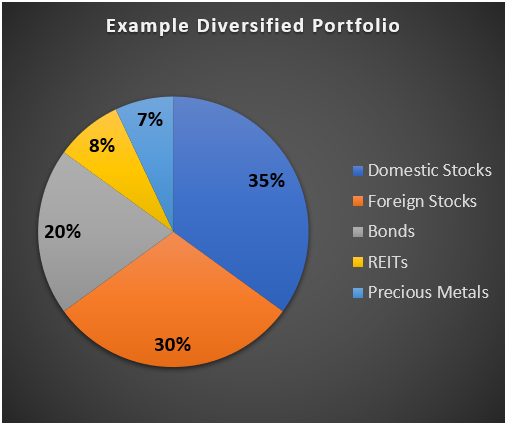
Diversification reduces volatility, even if it doesn’t eliminate losses.
Canadian + U.S. + global exposure
Avoid relying on one country or sector.
Bonds allocation
Even a 20–40% bond allocation can reduce drawdowns.
Avoid concentration
Too much in tech, energy, or one ETF increases risk.
Beginner Portfolio Examples shows balanced structures.
Best Canadian ETFs for Long-Term Growth explains equity diversification.
Diversification won’t prevent downturns, but it softens them.
Step 4: Reduce High-Interest Debt
Debt becomes dangerous during economic uncertainty.
Credit cards
Interest rates often exceed 20%.
Lines of credit
Variable rates may rise during tightening cycles.
Risk of income loss
If income drops, debt payments become stressful quickly.
Reducing high-interest debt improves flexibility and resilience.
Step 5: Maintain Investing Discipline
Counterintuitively, downturns are often strong buying opportunities.
Continue monthly investing
Stopping contributions delays recovery gains.
Dollar-cost averaging during downturns
Lower prices mean future growth potential.
Automation helps
Automated investing removes emotional decision-making.
How Much Should You Invest Each Month helps you stay consistent.
This step is critical if you truly want to protect your wealth in a recession in Canada.
Defensive Portfolio Example
Here are three simplified examples.
Balanced allocation
- 60% global equities
- 40% bonds
Growth allocation
- 80–90% equities
- 10–20% bonds
Conservative allocation
- 40% equities
- 60% bonds
The right mix depends on timeline and risk tolerance.
Should You Move to Cash?
It’s tempting, but timing is risky.
Timing risk
Selling after markets drop locks in losses.
Opportunity cost
Missing early recovery days can reduce long-term returns.
Strategic cash allocation
Keeping 5–10% cash for flexibility can make sense. However, moving everything to cash usually backfires.
According to Investopedia’s market timing research, missing just a few strong recovery days significantly impacts returns.
Recession-Proof vs Recession-Resistant Assets
No asset is fully recession-proof.
Dividends
Strong companies often continue paying, but cuts can happen.
Bonds
High-quality government bonds typically provide stability.
Real assets
Commodities and real estate can hedge inflation but still fluctuate.
Misconceptions
There is no “safe” asset that guarantees gains.
Focus on resilience, not perfection.
What NOT to Do in a Recession
Many investors harm themselves here.
Day trade volatility
Short-term trading increases losses.
Sell long-term investments
Abandoning strategy resets compounding.
Drastic strategy shifts
Sudden asset allocation changes often occur at the worst time.
Ignore fundamentals
Stick to your long-term plan.
Avoiding these mistakes is often more important than finding perfect assets.
Long-Term View: Recessions and Wealth Building
Historically, every recession has been followed by recovery.
Historical recoveries
Markets have always rebounded over time.
Compounding advantage
Investing during downturns can accelerate wealth later.
Staying invested wins
Discipline beats prediction.
Because of this, recessions often become opportunities for patient investors.
Final Recession Protection Checklist
Before the next downturn, confirm this:
Emergency fund ready
3–6 months saved.
Diversified portfolio
Global ETFs + bonds.
Low debt
High-interest debt minimized.
Automated investing
Contributions continue automatically.
Annual review
Adjust allocation, not strategy.
If you follow this framework, you won’t eliminate downturns. However, you’ll dramatically improve your ability to protect your wealth in a recession in Canada.
Frequently Asked Questions
Should I stop investing during a recession?
Usually no. Consistency often works better.
Are bonds safe during recessions?
High-quality bonds tend to be more stable, but not guaranteed.
Is cash king during a recession?
Cash helps short term, but long-term growth requires investing.
Can recessions destroy retirement plans?
Only if panic selling occurs.