
Disclosure: This post may contain affiliate links. We may earn a commission if you sign up through our links, at no extra cost to you.
“Passive income” gets thrown around a lot online. Unfortunately, most of what you see is hype, side hustles, or risky shortcuts.
In reality, building passive income in Canada through investing is slower, calmer, and far more reliable.
In this guide, you’ll learn how to turn long-term investments into sustainable income, without chasing trends or burning yourself out.
Passive Income vs “Quick Cash”: Why the Difference Matters
Before anything else, let’s be clear.
Quick cash usually means:
- Trading
- Speculation
- Flipping
- High risk
Passive income means:
- Systems
- Patience
- Compounding
- Stability
In other words, one is stressful. The other is sustainable.
That’s why this guide focuses on real passive income in Canada, not shortcuts.
What Is Passive Income (Realistically)?
Income without daily work
True passive income doesn’t require daily effort. However, it does require planning.
Active setup, passive maintenance
First, you build the system.
Then, you maintain it occasionally.
Expectations vs reality
Most people expect $5,000/month quickly.
In practice, most investors build income slowly over 10–20 years.
According to Investopedia’s passive income guide, long-term investing remains the most reliable approach.
Best Passive Income Investments in Canada
Not all “income” investments are created equal.
Dividend ETFs
These pay regular distributions from diversified companies.
REITs
Real estate exposure without owning property.
Bond ETFs
Lower risk, lower income, more stability.
High-interest savings
Safe, flexible, but limited income.
Robo-advisor income portfolios
Automated portfolios designed for withdrawals.
Platforms like Wealthsimple Managed Investing and Questwealth Portfolios offer income-focused options.
Each plays a role in building passive income in Canada.
Dividend ETFs for Passive Income in Canada
Dividend ETFs are the backbone of most income portfolios.
How dividends work
Companies share profits with investors. ETFs bundle many dividend payers together.
Yield vs safety
Higher yield often means higher risk. Therefore, balance matters.
Reinvestment vs cash flow
Early on, reinvesting dividends accelerates growth. Later, cash flow becomes the priority.
Best Dividend ETFs in Canada breaks down top options.
For ETF structure, iShares Canada ETF education is a strong resource.
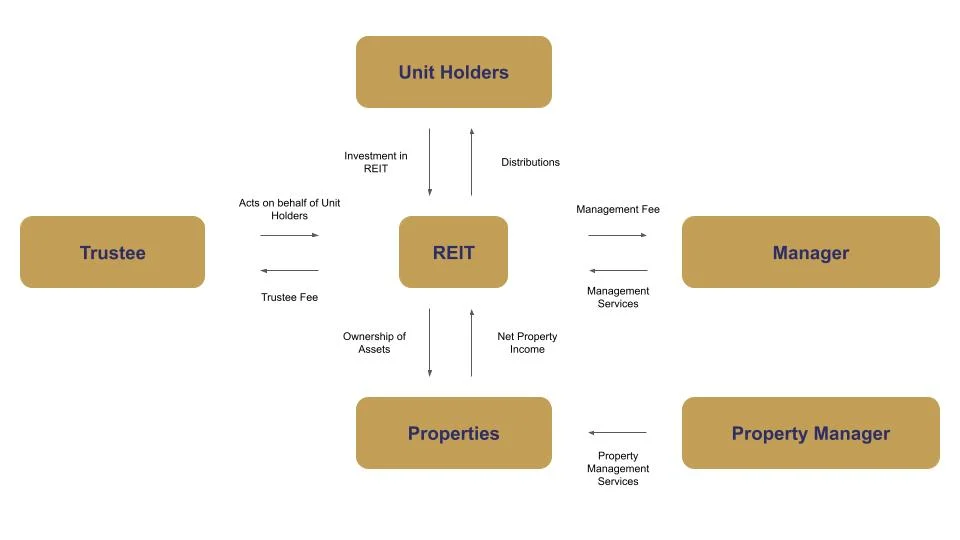
REITs and Real Estate ETFs for Passive Income
Real estate can generate income without being a landlord.
Property exposure without tenants
REIT ETFs own office buildings, apartments, and malls.
Risks
- Interest rate sensitivity
- Economic downturns
- Sector concentration
When they make sense
REITs work best as a small part of a diversified portfolio.
According to Vanguard REIT research, real estate works best alongside equities and bonds.
How Much Do You Need for Passive Income in Canada?
Income depends on portfolio size and yield.
$500/month example
$6,000/year ÷ 4% ≈ $150,000
$1,000/month example
$12,000/year ÷ 4% ≈ $300,000
$2,000/month example
$24,000/year ÷ 4% ≈ $600,000
Yield calculations
Most sustainable portfolios target 3%–5%.
Chasing 8%+ usually leads to losses.
This math is central to building reliable passive income in Canada.

TFSA vs RRSP for Passive Income Investing
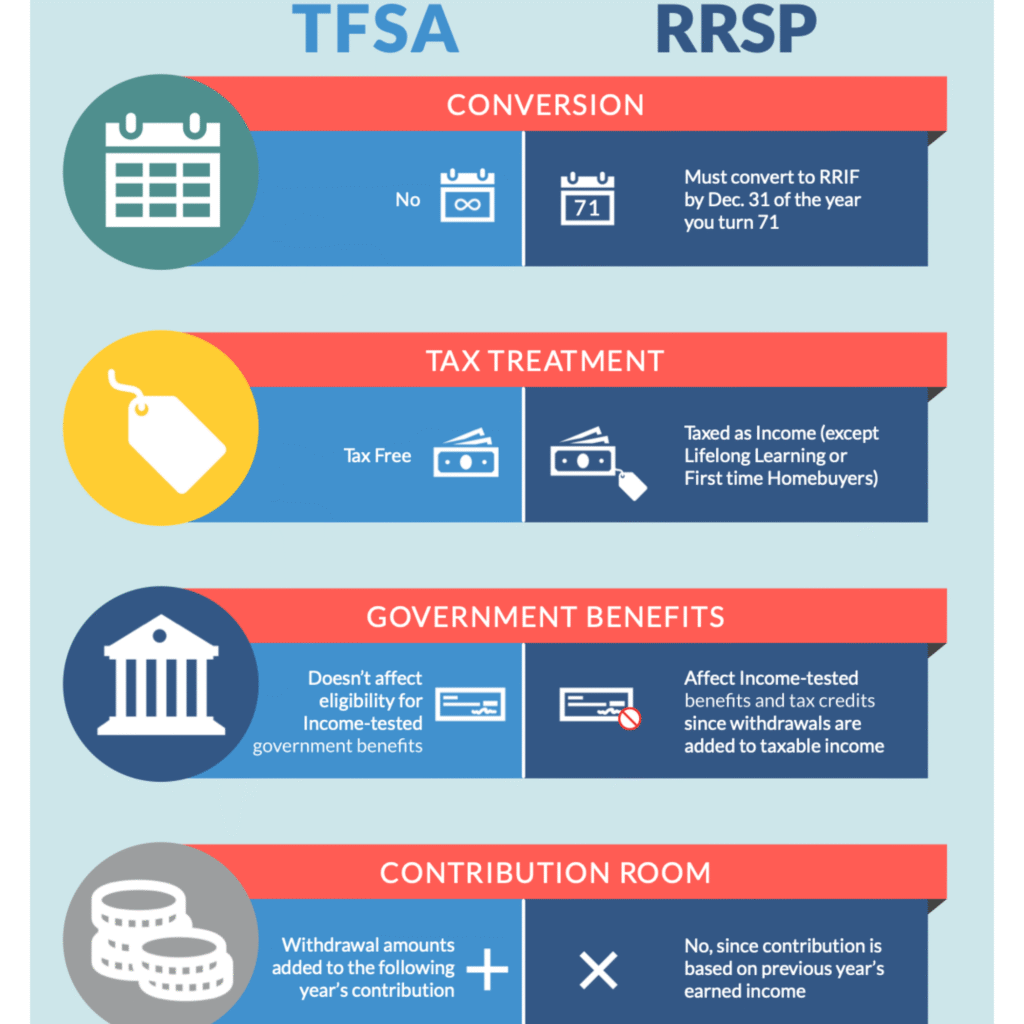
Account choice affects how much income you actually keep.
Tax-free dividends (TFSA)
TFSA income is completely tax-free and doesn’t affect benefits.
RRSP withholding rules
RRSP/RRIF withdrawals are taxable, but tax-deferred growth helps early on.
Income timing
Many investors build income in TFSAs first, then use RRSPs later.
TFSA vs RRSP vs FHSA explains how to prioritize.
For official rules, see CRA registered plans guide.
Building a Passive Income Portfolio in Canada
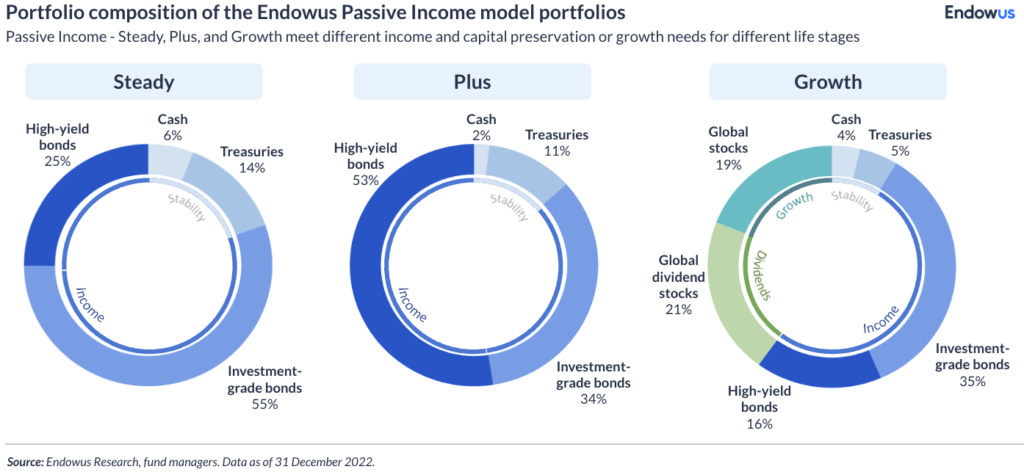
A good income portfolio balances stability and growth.
Asset allocation
Typical structure:
- 40–60% dividend ETFs
- 10–25% REITs
- 10–25% bonds
- 10–20% growth assets
Diversification
Never rely on one sector or one ETF.
Risk management
Lower volatility = more reliable income.
Beginner Portfolio Examples shows simple structures.
Best ETFs for Beginners explains easy entry points.
According to Vanguard diversification research, diversified portfolios reduce long-term income risk.
Reinvesting vs Living Off Investment Income
Your strategy changes over time.
Accumulation phase
Before income matters:
- Reinvest everything
- Maximize growth
- Ignore payouts
Distribution phase
When income matters:
- Redirect dividends
- Plan withdrawals
- Manage taxes
Hybrid approach
Many Canadians use partial reinvestment and partial income.
This flexibility supports long-term passive income in Canada.
Common Passive Income Mistakes
Most failures come from the same errors.
Chasing yield
High yield usually means high risk.
Overconcentration
Too much in one ETF or sector is dangerous.
Ignoring inflation
Income must grow over time.
Underestimating risk
Even “safe” assets fluctuate.
Avoiding these keeps income stable.
Sample Passive Income Plan (Canada)
Here are three realistic stages.
Starter Plan
Portfolio: $75K–$150K
Focus: Dividend ETFs + bonds
Income: $200–$500/month
Intermediate Plan
Portfolio: $250K–$400K
Focus: Dividends + REITs
Income: $800–$1,300/month
Advanced Plan
Portfolio: $600K+
Focus: Full income portfolio
Income: $2,000+/month
Progression matters more than speed.
Final Passive Income Checklist for Canadians
Before focusing on income, confirm this:
Define your goal
Monthly target and timeline.
Pick assets
Dividend ETFs, REITs, bonds.
Optimize accounts
TFSA first, RRSP second.
Rebalance yearly
Keep risk in check.
Review income
Adjust as markets change.
If you follow this system, building passive income in Canada becomes predictable, not stressful.

Frequently Asked Questions
Is passive income truly “hands-off”?
Mostly, but it still needs annual reviews.
Should I focus on dividends only?
No. Total return portfolios are usually safer.
Can I live off passive income early?
Yes, with enough capital and discipline.
Are high-yield ETFs safe?
Often no. Always check sustainability.