
Disclosure: This post may contain affiliate links. We may earn a commission if you sign up through our links, at no extra cost to you.

Once you can invest $500 per month in Canada, everything changes.
This is where investing becomes powerful. Compared to smaller amounts, $500/month accelerates compounding, builds momentum faster, and puts you on a real path toward financial independence.
In this guide, you’ll learn exactly how to invest $500 per month in Canada using a simple, scalable strategy.
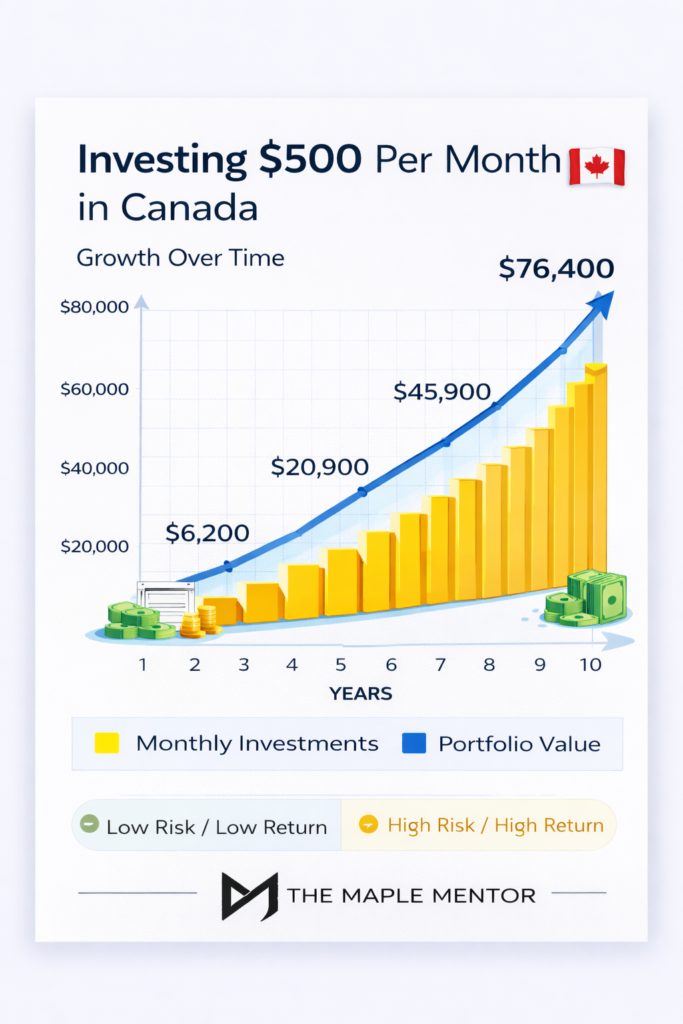
What Happens If You Invest $500 Monthly?
Let’s look at realistic projections using an average long-term return of ~6–8%.
After 5 years
You could have around $35,000–$40,000
After 10 years
You could reach $75,000–$90,000
After 20 years
You could grow to $250,000–$300,000+
These numbers aren’t guaranteed. However, they show the power of consistency.
According to Investopedia’s compound interest explanation, compounding accelerates significantly as contributions increase.
This is why choosing to invest $500 per month in Canada can dramatically change your financial future.
Why $500/Month Is a Major Wealth Milestone
Not all investing levels are equal.
Serious investing level
At $500/month, you move beyond “starting” into real wealth building.
Long-term impact
This level of contribution creates strong compounding momentum.
Path to financial independence
Over decades, this alone can lead to a six-figure or even seven-figure portfolio.
Consistency at this level separates casual investors from serious ones.
Step 1 Use the Right Account
Before investing, structure matters.
TFSA first
For most Canadians:
- tax-free growth
- tax-free withdrawals
RRSP second
Best for higher income earners seeking tax deductions.
FHSA if applicable
Useful if you’re planning to buy your first home.
To understand account priorities, see TFSA vs RRSP vs FHSA.
Choosing the right account is essential when you invest $500 per month in Canada.
Step 2 Choose a Scalable Investment Strategy
At this level, your strategy must grow with you.
ETFs
Low-cost and diversified.
Diversified portfolio
Spread across global markets.
Simplicity
Avoid unnecessary complexity.
If you’re building your strategy, start with Best ETFs for Canadian Investors, then explore structures in Beginner Portfolio Examples.
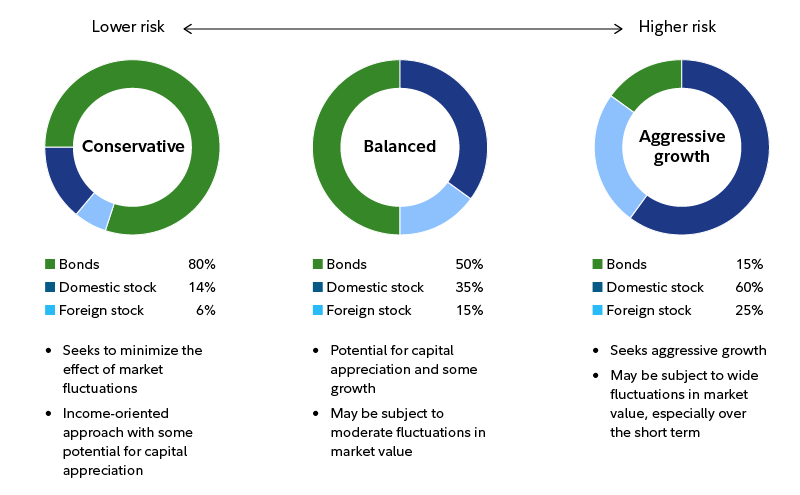
According to Vanguard’s diversification research, diversified portfolios reduce risk while maintaining strong long-term returns.
Step 3 Build a Simple Portfolio
Keep it efficient and scalable.
Option 1: One ETF (easy option)
- All-in-one ETF
- automatic diversification
- minimal maintenance
Option 2: 2–3 ETF portfolio (advanced beginner)
- Canadian equity
- U.S. or global equity
- optional bond allocation
Why this works
- low fees
- flexibility
- long-term growth
At $500/month, both approaches are valid. Choose based on simplicity vs control.
Step 4 Automate Your $500 Investments
Automation is critical.
Automatic contributions
Set recurring transfers every month.
Discipline
Removes decision-making.
Consistency
Ensures you invest in all market conditions.
This is known as dollar-cost averaging. Learn more in Dollar-Cost Averaging Guide.
Automation makes it easier to stay consistent when you invest $500 per month in Canada.
Step 5 Reinvest and Stay Consistent
This is where real growth happens.
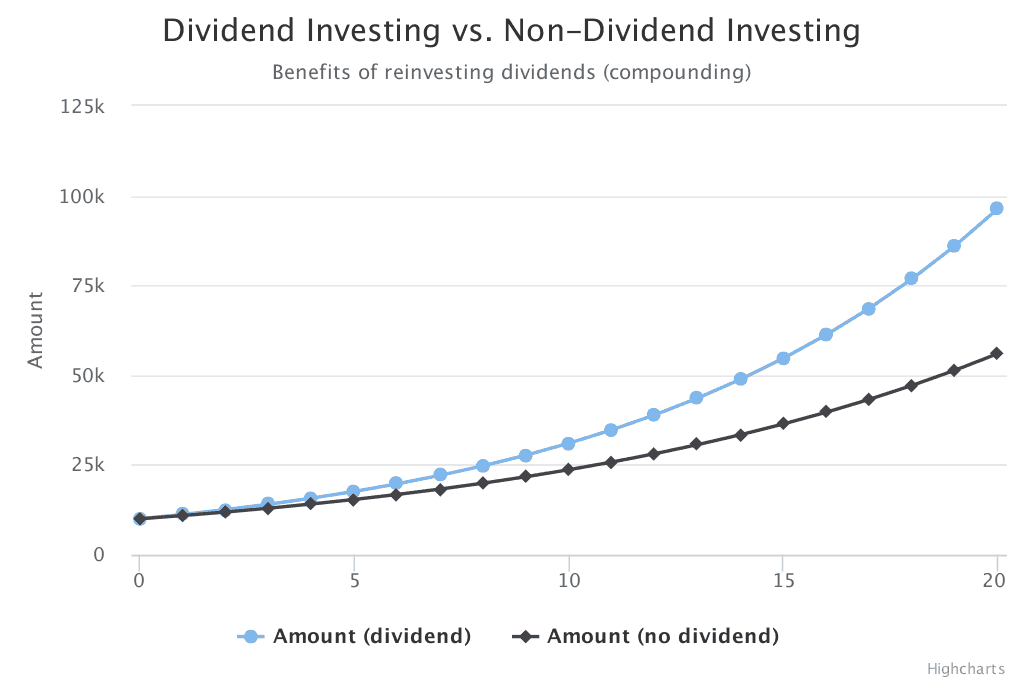
Reinvesting dividends
Keep all earnings invested.
Avoiding withdrawals
Let your portfolio compound uninterrupted.
Long-term mindset
Focus on years, not months.
According to Investopedia’s long-term investing guide, staying invested is one of the biggest drivers of success.
$500/Month Portfolio Example (Canada)
Here’s a simple structure.
TFSA
- Diversified ETF portfolio (1–3 ETFs)
Example structure
- Global equity ETF (core holding)
- Optional Canadian ETF
- Optional bond ETF
Why this works
- strong diversification
- tax-free growth
- simple to maintain
This structure aligns perfectly with long-term investing principles.
How Fast Can You Reach $100,000?
At $500/month, the timeline becomes realistic.
Estimated timeline
- 8–12 years depending on returns
- faster if contributions increase
Impact of consistency
Small increases in monthly investing can shorten timelines significantly.
To understand this milestone better, see How to Build a 6-Figure Portfolio.

Common Mistakes at This Level
Avoid these traps.
Trying to time the market
Waiting for the “perfect moment” delays growth.
Overcomplicating portfolio
Too many ETFs create confusion.
Switching strategies too often
Consistency beats constant change.
According to Investopedia’s market timing explanation, timing the market often leads to worse results.
How to Scale Beyond $500/Month
Increasing contributions accelerates wealth.
Income growth
Raise your investing as your income increases.
Side hustles
Additional income streams boost contributions.
Investing discipline
Maintain consistency as contributions grow.
If you want ideas, explore Best Side Hustles for Canadians.
Scaling from $500 to $1,000/month can dramatically shorten your timeline to financial independence.
Final Takeaway
If you can invest $500 per month in Canada, you are already ahead of most people.
With the right strategy:
- simple ETFs
- tax-efficient accounts
- consistent investing
You can build serious wealth over time.
In the long run, $500/month invested consistently can absolutely lead to financial independence.
Frequently Asked Questions
Is $500 per month enough to invest?
Yes. It’s a strong contribution level for long-term growth.
Where should I invest $500 per month in Canada?
Most beginners use a TFSA with ETFs.
Should I invest all $500 at once each month?
Yes, typically through automated contributions.
How long to reach $100,000?
Usually around 8–12 years depending on returns.