
Disclosure: This post may contain affiliate links. We may earn a commission if you sign up through our links, at no extra cost to you.

If you’re new to investing, $1,000 might not sound like much. However, in Canada, $1,000 is more than enough to start investing the right way.
This guide shows exactly how to invest $1,000 in Canada, with simple, realistic options that don’t require advanced knowledge, perfect timing, or constant monitoring.
If you’re a beginner, this approach works best when combined with Best Investing Apps in Canada and a tax-advantaged account.
Is $1,000 Enough to Start Investing in Canada?
Yes, and starting small is actually an advantage.
What matters most isn’t the amount, but the habit. Investing $1,000 teaches you:
- How markets move
- How you react emotionally
- How consistency compounds over time
Compounding rewards time, not size. Someone who starts with $1,000 today often ends up ahead of someone who waits years to invest more later.
Step 1 Where Should You Put the Money?
Before choosing investments, choose the right account.
For most beginners, a TFSA makes the most sense because growth and withdrawals are tax-free. RRSPs usually matter more once income increases, while FHSAs are best if buying a first home soon.
This is explained clearly in TFSA vs RRSP vs FHSA, and for $1,000, TFSA is usually the winner.
Step 2 Best Ways to Invest $1,000 in Canada
Option 1 One ETF (Beginner-Friendly)
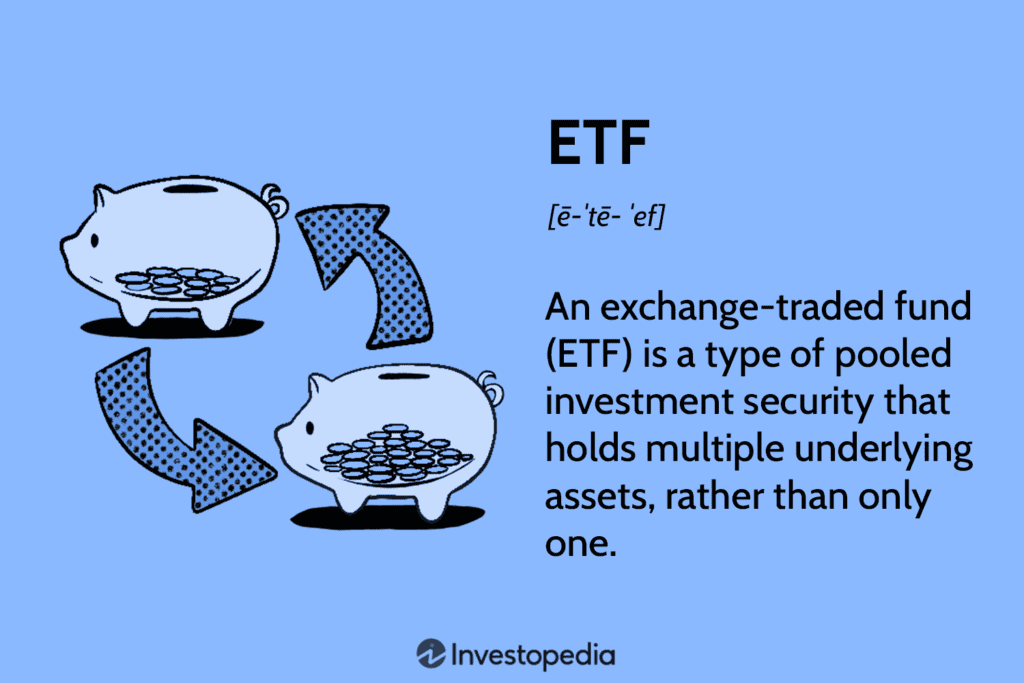
The simplest option is putting the full $1,000 into one broad-market ETF.
Why this works:
- Instant diversification
- Very low fees
- Set-and-forget strategy
Most beginners start with all-in-one ETFs like VGRO or VEQT. These are designed specifically for long-term investors.
If you want help choosing, Best ETFs for Beginners in Canada breaks it down by risk level.
Option 2 Robo-Advisor Portfolio (Hands-Off)
If you don’t want to place trades yourself, a robo-advisor is a great alternative.
Robo-advisors:
- Ask a risk questionnaire
- Build a diversified portfolio
- Automatically rebalance
- Require very little effort
Many Canadians use platforms listed in Best Robo-Advisors in Canada for their first investment.
💬 Personal insight: If you’re worried you’ll overthink or panic, automation is your friend.
Option 3 Split Strategy ($500 + $500)
If you want flexibility, you can split your $1,000.
Examples:
- $500 ETF + $500 cash buffer
- $500 growth ETF + $500 dividend ETF
- $500 ETF + $500 “learning capital”
This helps beginners stay invested while keeping peace of mind.
Step 3 How to Buy Your First Investment
The process is simpler than most expect.
First, choose a broker or app. Many beginners start with platforms listed in Best Online Brokers in Canada or mobile-friendly options in Best Investing Apps in Canada.
Then:
- Open the account
- Fund it
- Buy your ETF or portfolio
Avoid waiting for “the perfect moment.” Consistency beats timing.
What NOT to Do With $1,000
Beginners lose money by making these mistakes:
- Day trading
- Buying penny stocks
- Going all-in on crypto
- Buying too many investments
Simple beats exciting when you’re starting out.
How to Grow That $1,000 Over Time
The real power comes after the first investment.
Focus on:
- Dollar-cost averaging
- Monthly contributions (even $50–$100)
- Reinvesting dividends
Growth accelerates once consistency kicks in.
Simple $1,000 Portfolio Examples
Conservative
- $1,000 VBAL
Balanced
- $1,000 VGRO
Growth
- $1,000 VEQT
You don’t need complexity until your portfolio is much larger.

Final Recommendation
If you’re wondering how to invest $1,000 in Canada, the answer is simple:
- Use a TFSA
- Pick one diversified ETF or robo-advisor
- Start now
- Build the habit
Returns matter later. Consistency matters first.
Open your investment account today and invest your first $1,000 this week. Momentum starts with action.
❓ FAQ Investing $1,000 in Canada
Is $1,000 enough to make investing worthwhile?
Yes. Starting early matters more than starting big.
Should I invest all $1,000 at once?
For beginners, investing it all at once or over a few months both work. Consistency is key.
Is a TFSA always best for $1,000?
For most beginners, yes, because growth is tax-free.
Can I lose money with ETFs?
Short-term fluctuations happen, but long-term diversified ETFs reduce risk significantly.