
Disclosure: This post may contain affiliate links. We may earn a commission if you sign up through our links, at no extra cost to you.
You’ve probably seen it online: people in their 30s “retiring,” travelling full-time, or living off investments.
That’s the FIRE movement in Canada, and it’s growing fast.
But here’s the problem. Most content about FIRE is either unrealistic, overly extreme, or copied from U.S. examples that don’t fit Canadian taxes and housing costs.
In this guide, you’ll learn what the FIRE movement in Canada really looks like, whether it can work for you, and how to approach it without burning out.
What Is the FIRE Movement? (Simple Explanation)
Let’s break it down.
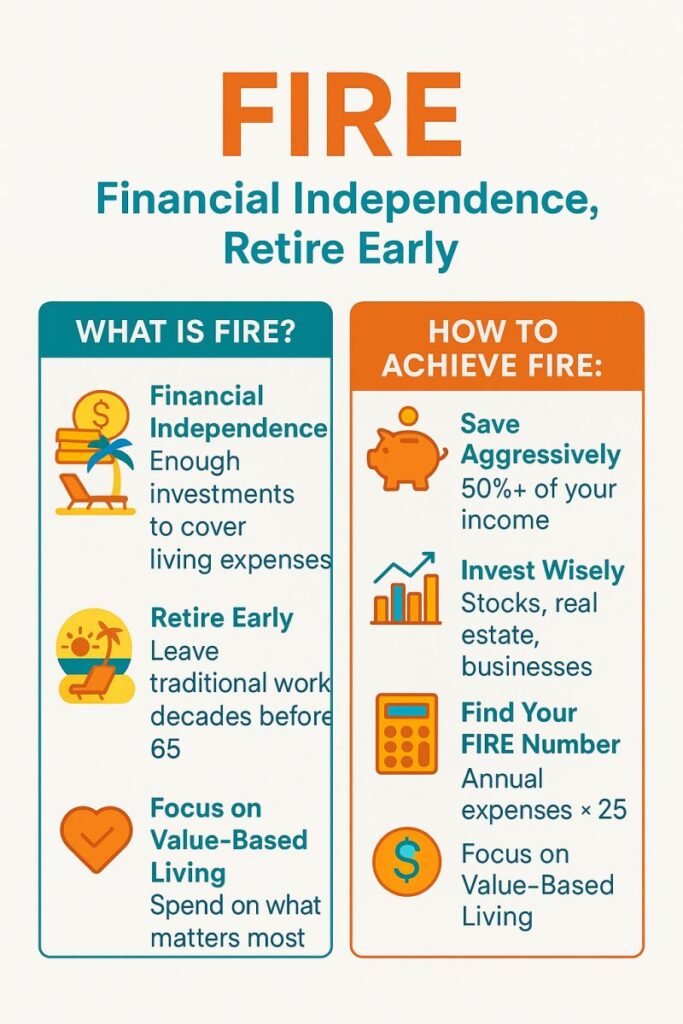
Financial Independence
You reach the point where your investments can cover your living expenses.
Retire Early
You’re no longer forced to work for money. You choose if and how you work.
Core philosophy
Spend less than you earn.
Invest the difference.
Repeat for years.
Lifestyle design
FIRE isn’t just about quitting work. It’s about building a life you don’t want to escape from.
This mindset is the foundation of the FIRE movement in Canada.
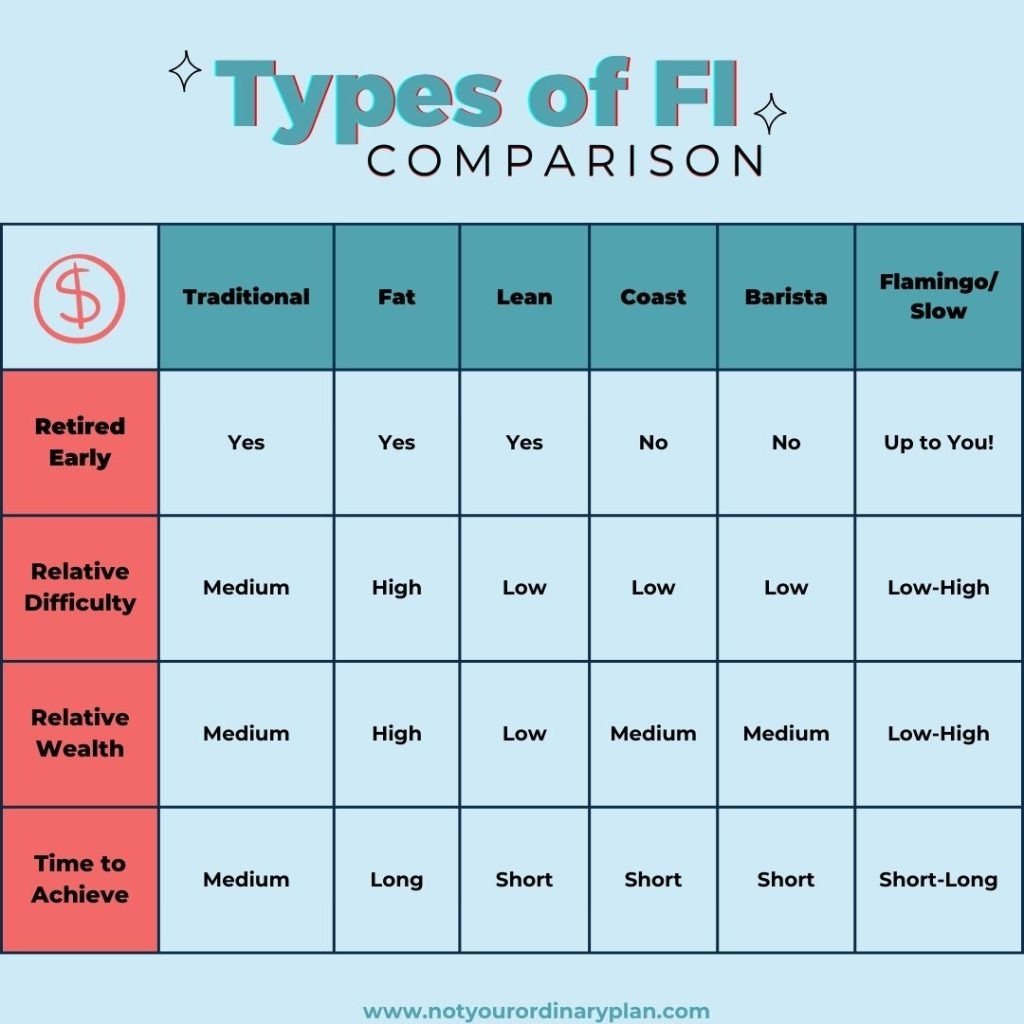
Types of FIRE in Canada (Lean, Fat, Coast, and More)
Not all FIRE looks the same.
Lean FIRE
Minimal lifestyle, very low expenses, early retirement.
Regular FIRE
Comfortable but modest lifestyle.
Fat FIRE
High spending, luxury lifestyle, larger portfolio.
Coast FIRE
You stop contributing early and let investments grow.
Barista FIRE
Part-time work + investments.
Most Canadians aim for Regular, Coast, or Barista FIRE. Lean FIRE is harder here because of housing and taxes.
Can the FIRE Movement Work in Canada?
Short answer: yes, but it’s different than in the U.S.
Taxes
High marginal tax rates mean planning matters.
Cost of living
Major cities make FIRE harder. Smaller cities help.
Housing
Real estate is often the biggest obstacle.
Healthcare
Canada’s public system helps reduce major risks.
CPP and OAS impact
Government benefits reduce how much you need personally.
According to Government of Canada retirement benefits overview, CPP and OAS can cover part of basic retirement income.
This makes the FIRE movement in Canada more achievable than many people think, if you plan properly.
How Much Do You Need for FIRE in Canada?
You don’t need a perfect number. You need a realistic one.
The 25× rule
Annual expenses × 25 = FIRE number
Example:
$40,000 × 25 = $1,000,000
The 4% rule (basic)
Withdraw 4% per year from your portfolio.
Canada-specific adjustments
Because of taxes and benefits, some Canadians can target closer to 22–24×.
Inflation factor
Always build in a buffer. Prices won’t stay flat.
For deeper research, Investopedia’s 4% rule guide explains the math behind it.
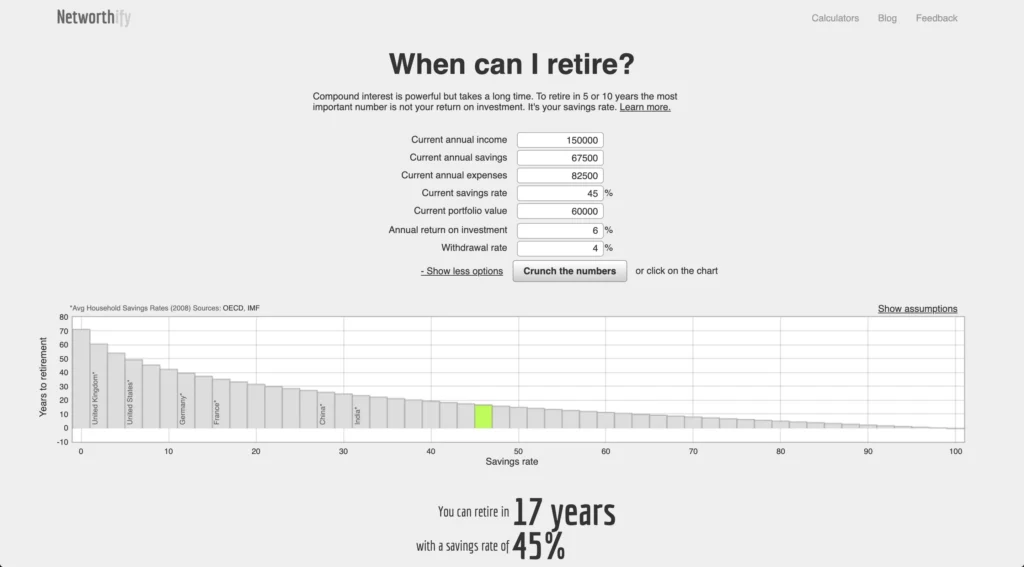
Step 1: Increase Your Savings Rate for FIRE in Canada
Your savings rate matters more than your salary.
20% vs 40% vs 60%
- 20% → Slow FIRE
- 40% → Moderate FIRE
- 60% → Fast FIRE
Expense optimization
Focus on big wins:
- Housing
- Transportation
- Food
- Subscriptions
Lifestyle choices
You don’t need deprivation. You need intention.
Best Money-Saving Tips helps cut waste.
Best Budgeting Apps makes tracking easier.
Step 2: Invest Aggressively (and Smartly) for FIRE
Saving alone won’t get you there. You must invest.
ETF-focused strategy
Low-cost ETFs should form the core of any FIRE plan.
TFSA and RRSP priority
Use tax shelters first. Always.
Avoid speculation
Crypto, meme stocks, and “hot tips” delay FIRE.
Best ETFs for Beginners (2026) shows safe options.
TFSA Investing Strategy (2026) explains how to prioritize accounts.
According to Vanguard investor research, low-cost diversified portfolios consistently outperform most active strategies.
Step 3: Track Your FIRE Progress in Canada
What you measure improves.
Net worth tracking
Track assets and liabilities quarterly.
Your FIRE number
Compare net worth to your target.
Annual reviews
Adjust contributions and strategy yearly.
How to Track Your Net Worth shows a simple tracking system.
This keeps your FIRE plan grounded in reality.
Sample FIRE Roadmap for Canadians
Here’s what a realistic timeline can look like.
Age 25–35
- Build savings habit
- Invest aggressively
- 70–90% equities
Age 35–45
- Peak earning years
- Max TFSA/RRSP
- Portfolio growth focus
Age 45–55
- Portfolio stabilization
- Reduce major debt
- Plan withdrawals
Early retirement phase
- Shift to income strategy
- Optimize taxes
- Monitor spending
Consistency matters more than speed.
FIRE vs Traditional Retirement in Canada
Both paths can work.
Pros and cons
FIRE:
- More freedom
- Earlier flexibility
- Higher discipline
Traditional:
- Less pressure
- More lifestyle spending
- Later retirement
Flexibility
FIRE gives options. Traditional gives comfort.
Risk tolerance
FIRE requires comfort with uncertainty.
Lifestyle tradeoffs
You trade spending today for freedom tomorrow.
Neither is “better.” It’s about fit.
Common FIRE Mistakes in Canada
Many people fail because of these.
Extreme frugality burnout
Living miserably isn’t sustainable.
Underestimating expenses
Healthcare, travel, and inflation add up.
Ignoring healthcare planning
Even in Canada, extras cost money.
Overconfidence
Markets don’t always cooperate.
Avoiding these keeps your FIRE journey healthy.
Is the FIRE Movement Right for You?
Not everyone should pursue FIRE.
Personality fit
Do you like planning and tracking?
Career stability
Unstable income makes FIRE harder.
Family considerations
Kids and dependents change timelines.
Stress tolerance
Can you handle market swings?
If not, a modified FIRE or traditional plan may be better.
Final FIRE Checklist for Canadians
Before committing, make sure you’ve done this:
Set your FIRE number
Know your target.
Boost your savings rate
Aim for at least 30%+.
Max TFSA and RRSP
Protect your growth.
Invest in ETFs
Keep costs low.
Review yearly
Adjust as life changes.
When done right, the FIRE movement in Canada isn’t about escaping work. It’s about buying back your time.

Frequently Asked Questions
Is FIRE realistic in Canada?
Yes, especially with strong savings and ETF investing.
Do I need a million dollars for FIRE?
Not always. It depends on your expenses.
Can I do FIRE with kids?
Yes, but it usually takes longer.
Is Coast FIRE safer than full FIRE?
For many Canadians, yes. It reduces pressure.