
Disclosure: This post may contain affiliate links. We may earn a commission if you sign up through our links, at no extra cost to you.
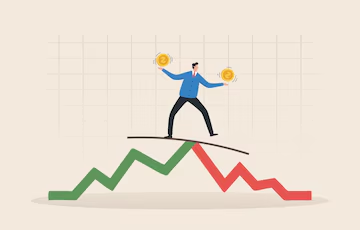
One of the biggest fears beginner investors have is bad timing.
What if you invest right before the market drops? What if you wait too long and miss the gains?
That fear stops more Canadians from investing than lack of money.
This guide explains dollar-cost averaging, a simple, stress-free investing method that removes timing pressure and helps Canadians invest consistently in 2026.
What Is Dollar-Cost Averaging?
Dollar-cost averaging means investing the same amount of money on a regular schedule, no matter what the market is doing.
Instead of trying to time the market, you:
- Invest weekly, bi-weekly, or monthly
- Buy more when prices are low
- Buy less when prices are high
No predictions. No guessing. Just consistency.
Why Dollar-Cost Averaging Works for Canadians
Dollar-cost averaging fits perfectly with how Canadians earn and save money.
First, it reduces emotional investing. You’re not reacting to headlines or market drops. You follow a plan.
Second, it works naturally with paycheques. Many Canadians invest every payday, which keeps saving automatic.
Third, it integrates cleanly with TFSA, RRSP, and FHSA contributions, making it tax-efficient and simple to manage over time.
Finally, it shines during volatile markets, which is exactly when beginners tend to panic.
Dollar-Cost Averaging vs Lump-Sum Investing
Both strategies can work, but they suit different people.
Dollar-cost averaging
- Lower stress
- Better for beginners
- Reduces timing risk
- Slower entry into markets
Lump-sum investing
- Higher long-term expected returns (historically)
- Requires emotional discipline
- Best when you already have cash ready
Lump sum can make sense if you receive a large amount at once and can stay invested no matter what. Most beginners can’t, which is why dollar-cost averaging is often the smarter choice early on.

Example: Dollar-Cost Averaging With $1,000
Let’s say you want to invest $1,000 but feel nervous about timing.
Instead of investing all at once, you could:
- Invest $250 per month for 4 months
- Or $100 per week for 10 weeks
When the market dips, your money buys more shares. When it rises, you still participate. Most importantly, you stay invested.
This approach works especially well if you’re just learning How to Invest $1,000 in Canada, because it reduces regret and second-guessing.
Best Investments for Dollar-Cost Averaging
Dollar-cost averaging works best with broad, diversified investments, not individual stocks.
Many beginners use all-in-one ETFs discussed in Best ETFs for Beginners in Canada, because they automatically diversify across markets.
Others prefer automation through platforms covered in Best Robo-Advisors in Canada, which handle investing and rebalancing without manual work.
If you want full control, platforms listed in Best Online Brokers in Canada allow scheduled or recurring purchases, which makes dollar-cost averaging effortless.
💬 Personal insight: The best strategy is the one you can stick to for years, not weeks.
Dollar-Cost Averaging in a TFSA vs RRSP
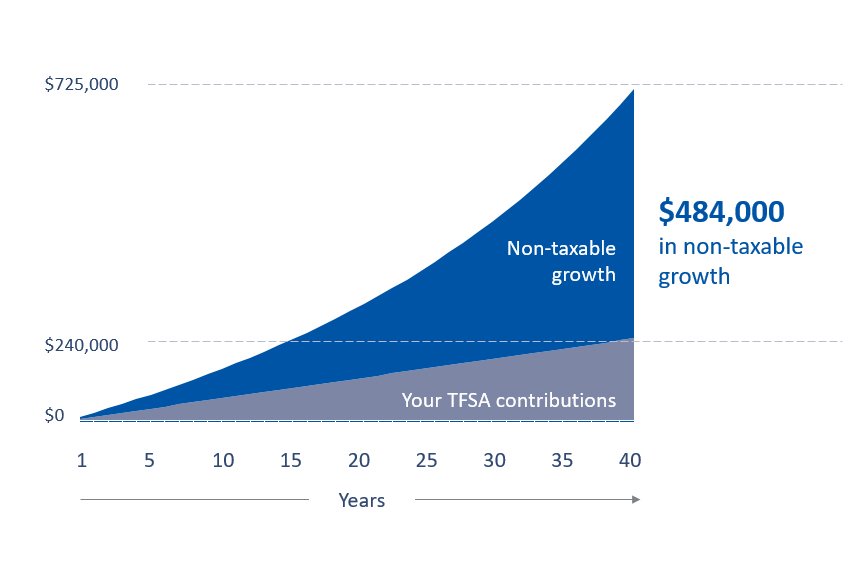
For most beginners, TFSA is the best place to start.
TFSA advantages:
- Tax-free growth
- Flexible withdrawals
- Perfect for early-stage investing
RRSP can make more sense if:
- You’re in a higher tax bracket
- You want immediate tax deductions
FHSA may be ideal if you’re saving for your first home.
This comparison is explained clearly in TFSA vs RRSP vs FHSA, and for most beginners, TFSA + dollar-cost averaging is the simplest setup.
Common Dollar-Cost Averaging Mistakes
Many Canadians undermine their plan by:
- Stopping contributions during market drops
- Constantly changing ETFs
- Checking prices too often
- Using too many overlapping funds
Dollar-cost averaging only works when you stay consistent, especially when markets feel uncomfortable.
Is Dollar-Cost Averaging Right for You?
Dollar-cost averaging is ideal if you are:
- A beginner investor
- Busy with work or family
- Nervous about market swings
- Focused on long-term wealth building
If you value simplicity over perfection, this strategy fits.
Final Takeaway
Dollar-cost averaging isn’t about beating the market.
It’s about staying in the market.
Consistency beats timing.
Habits matter more than returns early.
Simple systems outperform perfect plans.
Set up an automatic investment today, even if it’s small. Future you benefits from consistency, not hesitation.
❓ FAQ Dollar-Cost Averaging in Canada
Is dollar-cost averaging better than lump-sum investing?
Not always, but it’s usually better for beginners who want lower stress.
How often should I invest?
Most Canadians choose monthly or every payday.
Does dollar-cost averaging guarantee profits?
No strategy guarantees profits, but it reduces emotional mistakes.
Can I dollar-cost average with ETFs?
Yes, ETFs are one of the best tools for this strategy.