
Disclosure: This post may contain affiliate links. We may earn a commission if you sign up through our links, at no extra cost to you.
Getting started can feel overwhelming. There are thousands of options, constant market noise, and endless opinions online.
That’s why many beginners search for the best investments for beginners in Canada, but end up stuck doing nothing.
The truth is simple: you don’t need complex strategies to succeed.
In this guide, you’ll discover the best investments for beginners in Canada, focusing on simple, proven options that actually work long term.
What Makes a Good Investment for Beginners?
Not all investments are beginner-friendly. The best ones share a few key traits.
Low risk
While no investment is risk-free, beginners should avoid extreme volatility.
Diversification
Spreading money across many assets reduces risk.
Simplicity
The easier it is to understand, the easier it is to stick with.
Low fees
High fees eat into long-term returns.
Long-term growth
Focus on investments that grow steadily over time.
According to Vanguard’s investment principles on diversification and cost, low-cost diversified investing is one of the most reliable strategies.
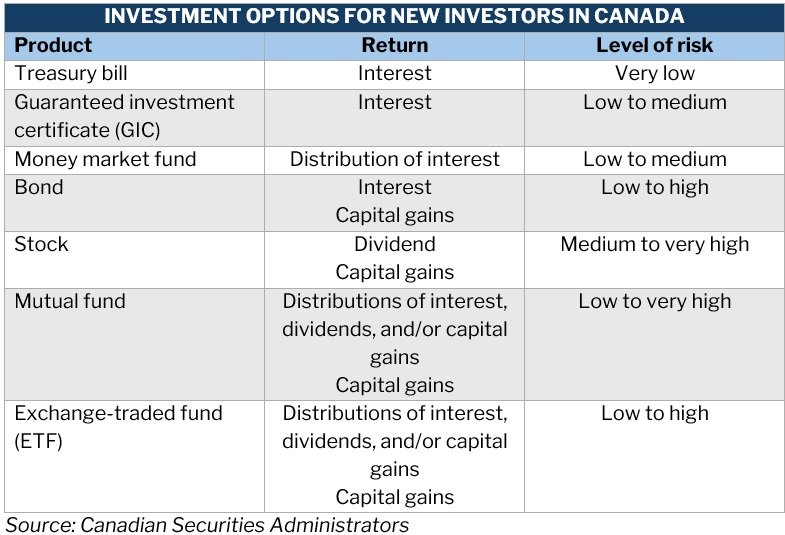
1. ETFs (Best Overall Investment for Beginners in Canada)
ETFs are widely considered the best starting point.
Diversification
One ETF can hold hundreds or thousands of companies.
Low cost
Fees are significantly lower than most mutual funds.
Beginner-friendly
Easy to buy, easy to understand.
If you want specific options, check out Best ETFs for Canadian Investors.
Because of their simplicity and efficiency, ETFs remain one of the best investments for beginners in Canada.
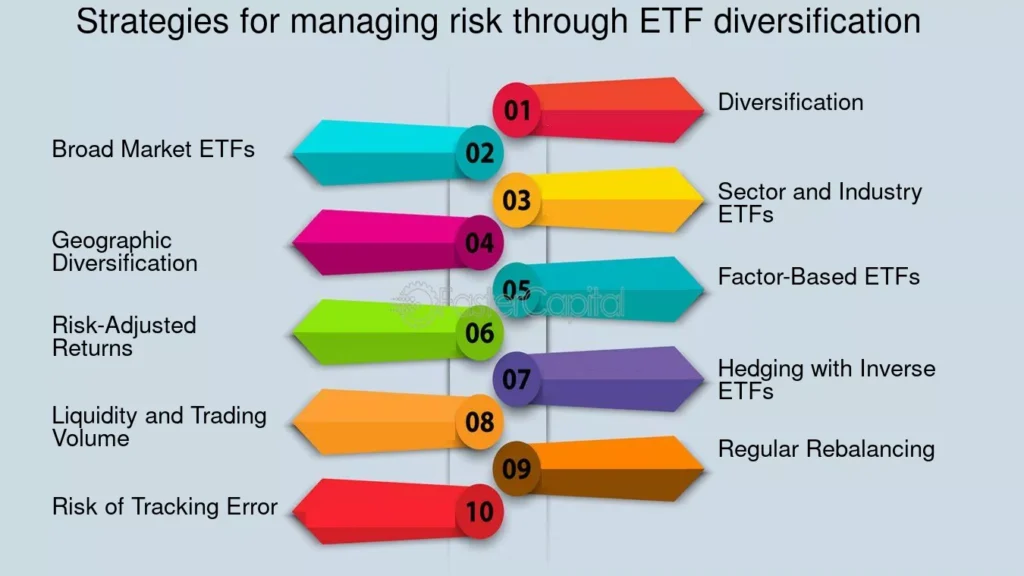
2. All-in-One ETFs (Simplest Option)
If you want maximum simplicity, this is it.
Single ETF portfolio
You only need one fund.
Automatic diversification
Includes global stocks and sometimes bonds.
Ideal for beginners
No need to rebalance or manage multiple investments.
This is often the easiest way to start investing with confidence.
3. Robo-Advisors (Hands-Off Investing)
Robo-advisors handle everything for you.
Automated portfolios
They build and manage your portfolio automatically.
No experience needed
Perfect if you don’t want to choose investments yourself.
Management fees
Slightly higher than DIY investing, but still reasonable.
If you prefer a hands-off approach, explore Best Robo Advisors in Canada.
According to Investopedia’s robo-advisor guide, robo-advisors are designed specifically for beginner investors.
4. High-Interest Savings Accounts (Safe Option)
Not all money should be invested.
Low risk
Your capital is protected.
Liquidity
You can access your money anytime.
Short-term goals
Ideal for emergency funds or upcoming expenses.
For safe options, see Best High-Interest Savings Accounts.
While not a growth investment, this is still one of the best investments for beginners in Canada when stability is needed.
5. Index Funds (Long-Term Investing)
Index investing is a proven strategy.
Passive investing
Track the market instead of trying to beat it.
Market tracking
Common indexes include the S&P 500 or global markets.
Consistency
Historically strong long-term performance.
According to Investopedia’s index fund explanation, index investing is one of the most effective long-term strategies.
What Beginners Should Avoid
Avoiding bad investments is just as important as choosing good ones.
Day trading
High risk, low success rate.
Penny stocks
Speculative and unpredictable.
Crypto speculation
Extremely volatile, especially for beginners.
High-fee funds
Fees reduce your long-term returns significantly.
Most beginners lose money by chasing excitement instead of consistency.

How to Choose Your First Investment
Choosing the right investment depends on your situation.
Risk tolerance
Can you handle market fluctuations?
Time horizon
Are you investing for 5 years or 30 years?
Goals
Saving for retirement, a house, or general wealth?
Answering these questions helps you choose from the best investments for beginners in Canada more effectively.
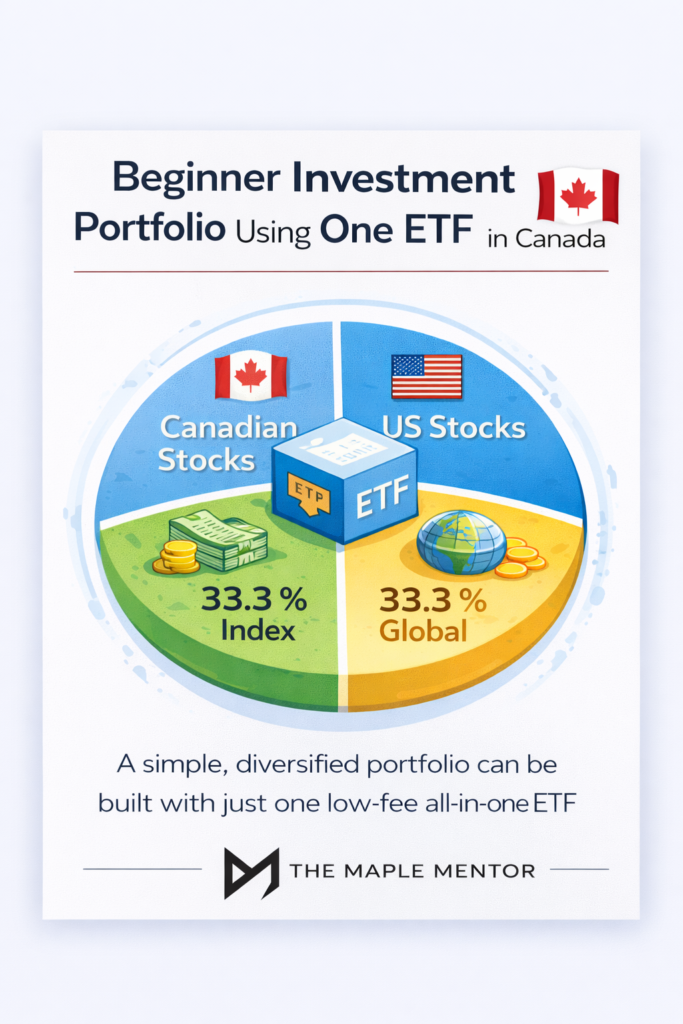
Example Beginner Portfolio (Canada)
Here’s a simple starting point.
TFSA
- 1 all-in-one ETF
Why this works
- fully diversified
- low fees
- tax-free growth
- easy to manage
This approach removes complexity while still providing long-term growth.
Where to Start Investing
You’ll need a platform to begin.
Platforms and brokers
Choose between DIY investing or automated solutions.
Apps
Many apps make investing simple and accessible.
To get started, check out Best Online Brokers in Canada or explore Best Investing Apps in Canada.
Choosing the right platform makes investing easier from day one.
Final Takeaway
You don’t need complicated strategies to succeed.
The best investments for beginners in Canada are simple, low-cost, and diversified.
Focus on:
- ETFs
- all-in-one funds
- consistent investing
In the long run, simple investments outperform complex strategies.
Frequently Asked Questions
What is the safest investment for beginners in Canada?
High-interest savings accounts are the safest, but ETFs offer better long-term growth.
Are ETFs good for beginners?
Yes. They are one of the best options available.
Should beginners invest in stocks or ETFs?
Most beginners benefit more from ETFs.
How much should I start with?
Even $100 is enough to begin.