Disclosure: This post may contain affiliate links. We may earn a commission if you sign up through our links, at no extra cost to you.
Introduction
Canadians love cash-back credit cards. They’re simple, flexible, and instantly rewarding, and in 2025 the competition between banks is stronger than ever. In this guide, I’ll break down the best cash-back credit cards in Canada 2025, compare their rewards, fees, perks, and help you understand which card fits your lifestyle.
If you’re building your financial base, pairing a strong card with a high-yield account (like the ones in my guide on Best High-Interest Savings Accounts in Canada) is one of the easiest systems to grow wealth. I used this same setup in my early 20s and it made a huge difference.
You can also explore beginner-friendly strategies in How to Build Wealth in Your 20s in Canada if you’re starting out.
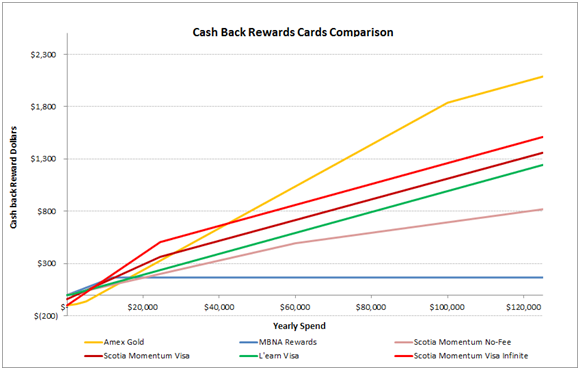
How Cash-Back Credit Cards Work
Cash-back cards return a percentage of your spending back as cash. That money can go:
- straight into your TFSA,
- into your RRSP,
- into a HISA like EQ Bank,
- or simply to reduce your monthly bill.
Many banks also offer welcome bonuses worth $150–$400, which is one of the easiest ways to earn money quickly, especially if you time the promos.
For accurate rate comparisons, you can check the latest updates on sites like Ratehub or GreedyRates.
Best Cash-Back Credit Cards in Canada (2025)
🥇 CIBC Dividend Visa Infinite — Best Overall
- 4% cash-back on groceries and gas
- 2% on dining and transportation
- 1% on everything else
- Welcome bonus often worth $300–$400
- Annual fee: $120 (frequently waived)
This is the most well-rounded card in Canada. If you have a typical Canadian budget, groceries, gas, eating out, this one pays you the most.
(Read more on CIBC’s website: https://www.cibc.com)
🥈 Tangerine Money-Back Credit Card — Best No-Fee Card
- 2% cash-back in 2–3 chosen categories
- 0.5% on everything else
- $0 annual fee
- Very flexible structure
If you want a no-fee card that still pays well, it’s hard to beat Tangerine. Their app is smooth and category customization is the key feature here.
(Tangerine official page: https://www.tangerine.ca)
🥉 Scotiabank Momentum Visa Infinite — Best for Families
- 4% on groceries + recurring bills
- 2% on gas + transit
- 1% on everything else
- Welcome bonuses usually around $200–$300
If your household does big grocery runs or has lots of recurring bills, this one can beat every other card.
(Scotiabank info: https://www.scotiabank.com)
SimplyCash Preferred American Express — Best for High Spenders
- 4% on groceries
- 2% on everything else
- Annual fee: $120
If you spend $2k–4k per month, this card is a cash machine. AMEX also has some of the best customer support in the country.
(AMEX Canada: https://www.americanexpress.com)
Neo Credit Card — Best for Beginners & Young Adults
- 1%–15% cash-back at partner stores
- $0 annual fee
- Mobile-first experience
Great for younger Canadians or anyone who shops at partner locations. Neo rewards stack quickly if you shop in the right places.
(Neo official page: https://www.neofinancial.com)
Credit Card Comparison Table (2025)
| Card | Best For | Max Cash-Back | Annual Fee | Welcome Bonus |
|---|---|---|---|---|
| CIBC Dividend Infinite | Everyday use | 4% | $120 | $300–$400 |
| Tangerine Money-Back | No-fee users | 2% | $0 | $100–$150 |
| Scotia Momentum Infinite | Families | 4% | $120 | $200–$300 |
| SimplyCash Preferred AMEX | High spenders | 4% | $120 | Varies |
| Neo Credit Card | Beginners | Up to 15% | $0 | $50–$100 |
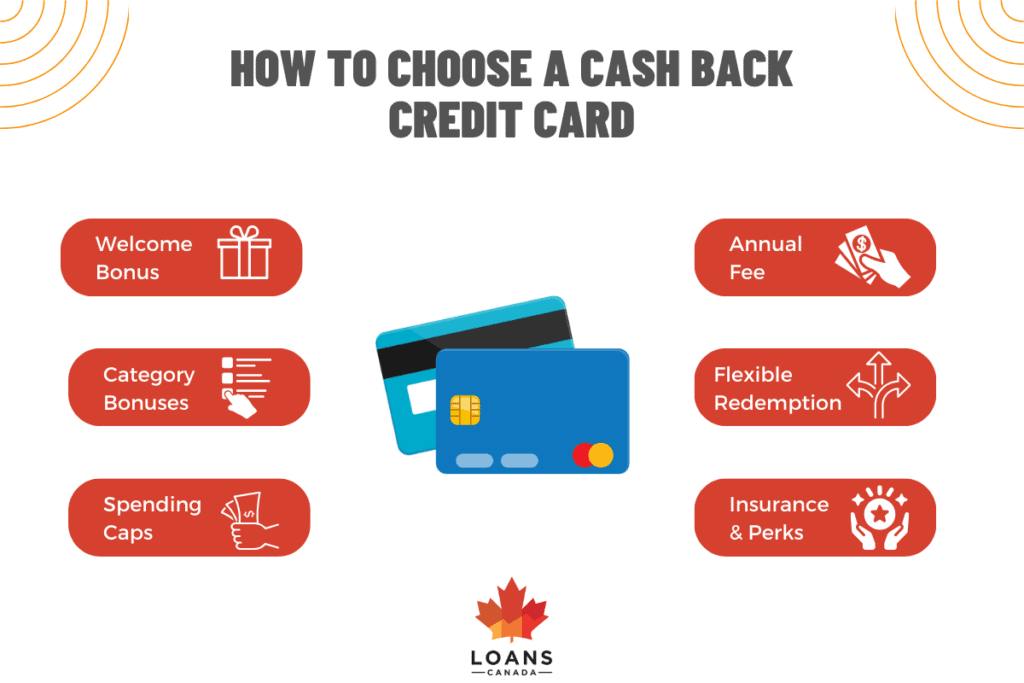
How to Choose the Best Cash-Back Card
Choose the card that rewards where you actually spend.
A simple system:
- Use one primary cash-back card
- Use a backup for categories your main card doesn’t cover
- Don’t choose based only on welcome bonuses
- Make sure your annual fee pays itself back within 3–4 months of spending
Small tip I often tell friends: If you track your spending for one week, you already know what card you should get.
Should You Get a Cash-Back Card or a Travel Card?
Cash-back cards are simple and flexible.
Travel cards offer higher value, but require more work.
For 80% of Canadians, cash-back cards give better real-world value.
If you’re curious about travel rewards, check updated comparisons on sites like Prince of Travel.
How to Use Cash-Back to Actually Build Wealth
Most people just waste their cash-back on random purchases.
Here’s a smarter plan:
- Use your rewards to buy ETFs inside your TFSA
- Add to your emergency fund
- Pay off debt faster
- Boost your contributions to a HISA (my guide on Best High-Interest Savings Accounts in Canada explains the top options)
Money compounds when you make it automatic.
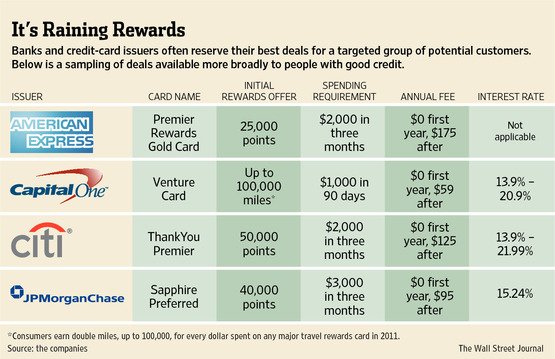
Common Credit Card Mistakes to Avoid
- Carrying a balance (destroys rewards instantly)
- Applying for too many cards too fast
- Ignoring annual fee math
- Not tracking spending categories
One mistake I personally made years ago: I had three cards but wasn’t using any of them properly. Once I simplified to two, my reward rate doubled.
FAQ — Cash-Back Credit Cards in Canada (2025)
1. Does cash-back count as taxable income?
No. Cash-back rewards are not taxable in Canada.
2. Can I get a cash-back card with no credit history?
Yes. Neo and Tangerine are the best starting options.
3. Do cash-back cards affect my credit score?
Yes. positively, if you pay on time and keep usage under 30%.
4. What is the best cash-back credit card for students?
Neo or Tangerine. Both have no fee.
5. Can I stack cash-back with store rewards?
Absolutely. Many Canadians stack PC Optimum, Aeroplan eStore bonuses, and card cash-back at the same time.
Final Thoughts
The best cash-back credit cards in Canada 2025 can help you earn free money on purchases you’re already making. Pick the card that matches your lifestyle, automate your savings, and use your rewards to build long-term wealth.
If you’re building your financial base, you may also like:
Best Online Brokers in Canada
How to Build Wealth in Your 20s in Canada