
Disclosure: This post may contain affiliate links. We may earn a commission if you sign up through our links, at no extra cost to you.
Building long-term wealth in Canada doesn’t require picking hot stocks or timing the market perfectly. Instead, the most reliable approach is using growth-focused ETFs and staying consistent for decades.
If your time horizon is 10, 20, or even 30 years, this guide will walk you through the best Canadian ETFs for long-term growth, how to use them properly, and where most beginners go wrong.
Why Growth ETFs Matter for Wealth Building
Growth ETFs focus on capital appreciation, not income. That means they reinvest gains instead of paying you cash today.
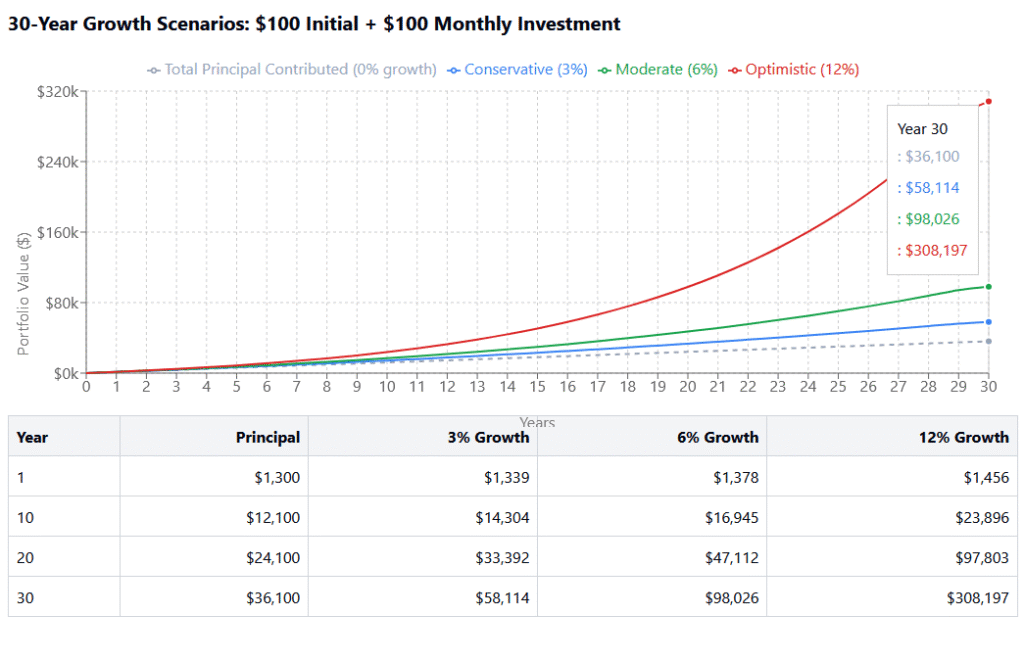
Over long periods, this matters more than most people realize.
A portfolio that compounds quietly for 25 years will almost always outperform one that constantly pays out dividends but grows slower. In other words, growth ETFs do the heavy lifting while you live your life.
This approach works especially well if:
- You’re still working
- You don’t need income yet
- You’re focused on net worth, not monthly payouts
The Long-Term Mindset (10–30 Years)
Long-term growth investing requires patience. Markets will crash, headlines will scream, and your portfolio will sometimes feel uncomfortable.
However, the goal isn’t to avoid volatility. The goal is to survive it long enough for compounding to work.
A simple rule I like to follow:
If you won’t need the money for at least 10 years, short-term market noise doesn’t matter.
What Makes an ETF “Good for Long-Term Growth”?
Not all ETFs are built the same. A strong long-term growth ETF usually has these characteristics:
Broad diversification
You want exposure to hundreds or thousands of companies, not just a handful of winners.
Low MER
Fees compound negatively. Even a 0.50% difference adds up over decades.
Equity-heavy exposure
Stocks drive growth. Bonds reduce volatility but also reduce long-term returns.
Reinvestment of gains
Growth ETFs typically reinvest profits instead of paying them out.
Low turnover
Less trading inside the ETF means lower costs and better tax efficiency.
Best Long-Term Growth ETFs in Canada (Quick Table)
| ETF | Exposure | Risk Level | Best For |
|---|---|---|---|
| VEQT | Global equities | High | Maximum growth, long horizon |
| VGRO | Global equities + bonds | Medium-high | Growth with some stability |
| VFV | U.S. S&P 500 | High | U.S.-focused growth |
| XIC | Canadian equities | Medium-high | Home bias exposure |
| XAW | Global ex-Canada equities | High | International diversification |
Best All-In-One Growth ETF
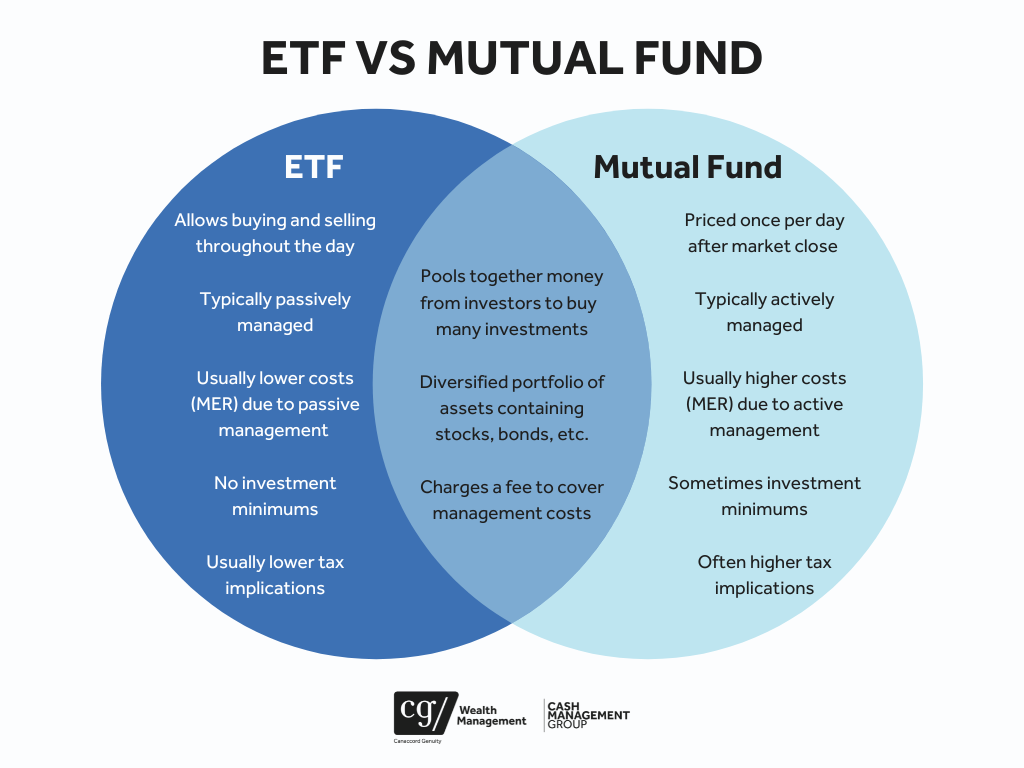
For most Canadians, all-in-one ETFs are the easiest and most effective solution.
VEQT and VGRO-style ETFs
These funds hold thousands of global stocks in a single ticker. You get U.S., Canadian, and international exposure automatically.
Risk levels explained
- VEQT is 100% stocks. Higher volatility, higher long-term growth potential.
- VGRO includes bonds, which smooths the ride but slightly lowers returns.
One-ETF portfolios
If you want simplicity, a one-ETF portfolio works extremely well. You just buy, hold, and rebalance automatically.
If you’re new to investing, Best ETFs for Beginners in Canada (2026) is a solid next read.
Best U.S. Market Growth ETF
The U.S. market has been a long-term growth engine, and ignoring it would be a mistake.
S&P 500 or total U.S. market
ETFs like VFV track large U.S. companies that dominate global innovation and profits.
Why U.S. exposure matters
Many of the world’s strongest businesses are American. Tech, healthcare, and consumer giants drive a large portion of global returns.
According to Vanguard research, U.S. equities have historically played a key role in long-term portfolio growth.
Currency considerations
U.S. ETFs introduce currency risk, but over long periods, currency swings tend to balance out. For growth investors, this isn’t usually a deal-breaker.
Best Canadian Market Growth ETF
Canada should still play a role in a long-term growth portfolio.
Home bias explained
Holding Canadian equities helps reduce currency risk and provides tax advantages in some accounts.
Why Canada still matters
Canada has strong banks, energy, and infrastructure companies that provide stability alongside growth.
Sector concentration risks
The Canadian market is concentrated in financials and resources. That’s why it works best as part of a global portfolio, not on its own.
For deeper market context, iShares Canada insights are worth reviewing.
Best Global Equity ETF
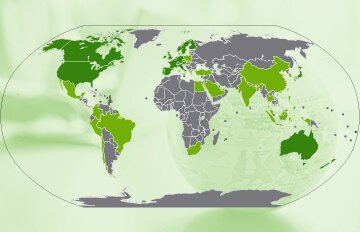
Global ETFs spread your risk across multiple countries and economies.
International diversification
Holding international stocks reduces dependence on any single country.
Developed vs emerging markets
Developed markets offer stability, while emerging markets add volatility and long-term upside.
Long-term stability vs volatility
Global ETFs smooth returns over decades, even if short-term performance looks boring.
Investopedia’s ETF diversification guide explains why this balance matters long term.
Growth ETFs vs Dividend ETFs
This is where many beginners get confused.
Growth vs income mindset
Growth ETFs aim to increase your portfolio value. Dividend ETFs aim to pay you cash.
When dividends make sense
Dividends are useful when you actually need income, such as in retirement.
Why beginners usually don’t need income yet
If you’re still earning, dividends are often reinvested anyway. Growth ETFs simply skip the middle step.
If income investing is your goal later, Best Dividend ETFs in Canada explains when to shift strategies.
Where to Hold Growth ETFs (TFSA vs RRSP)
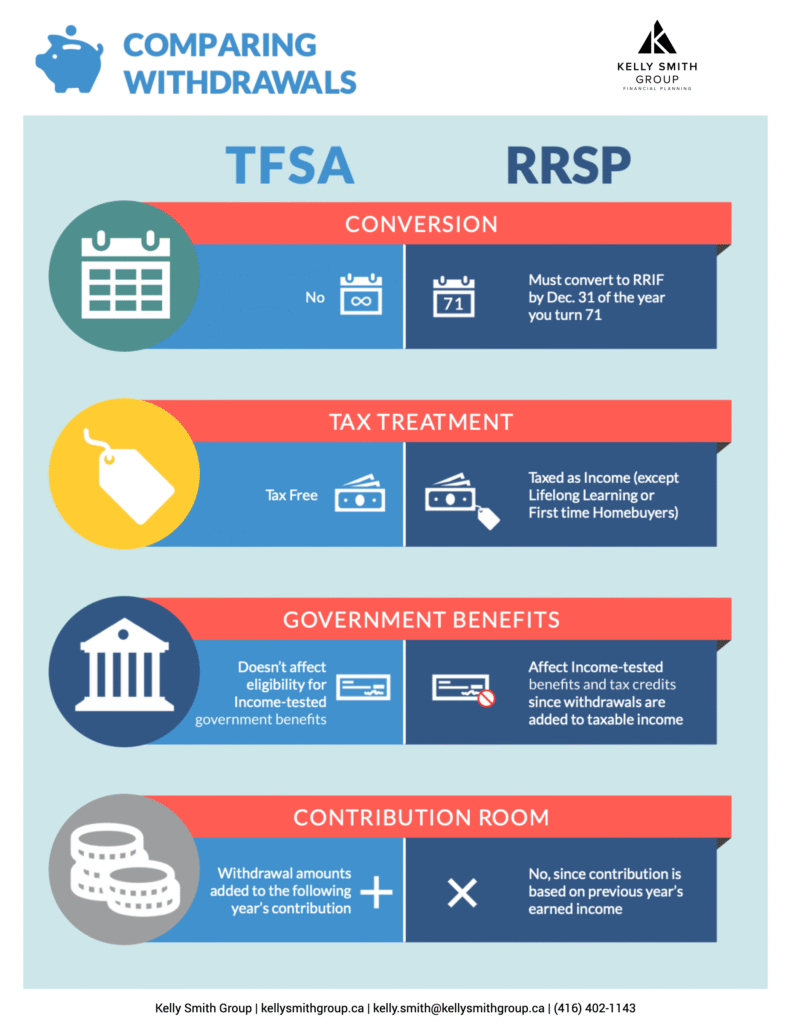
Account choice matters almost as much as ETF choice.
Tax efficiency basics
Growth ETFs benefit from tax-sheltered growth.
When TFSA is best
For most beginners, the TFSA is ideal. Growth compounds tax-free, and withdrawals don’t affect income.
When RRSP may make sense
If you’re in a high tax bracket now and expect lower income later, RRSPs can be powerful.
TFSA Investing Strategy for Beginners (2026) breaks this down step by step.
For official rules, CRA registered plans overview is the authoritative source.
How to Invest in Growth ETFs Over Time
Dollar-cost averaging
Investing regularly reduces emotional decision-making and market timing risk.
Lump sum investing
If you already have cash, lump sum investing often wins statistically, but it’s harder emotionally.
Rebalancing basics
All-in-one ETFs rebalance automatically. If you build a multi-ETF portfolio, check allocations once or twice a year.
Dollar-Cost Averaging Explained (Canada, 2026) goes deeper on execution.
Common Growth ETF Mistakes
Even good ETFs fail when used poorly.
Chasing performance
Last year’s winners often underperform next.
Over-diversification
Owning too many ETFs can cancel out benefits and complicate rebalancing.
Panic selling
Selling during downturns locks in losses.
Constant strategy changes
Switching strategies every year kills compounding.
Final Recommendation
If you want clarity, here’s the simple approach.
One-ETF growth portfolio
- VEQT for maximum growth
- VGRO if you want slightly less volatility
Two-ETF growth portfolio
- U.S. equity ETF + global or Canadian ETF
When to add complexity
Only add more ETFs once your portfolio is larger and your strategy is stable.
Long-term growth is boring by design. That’s a feature, not a flaw.
Frequently Asked Questions
Are growth ETFs safe for beginners?
Yes, as long as you understand volatility and commit long term.
How long should I hold growth ETFs?
Ideally 10–30 years.
Should I switch to dividends later?
Often yes, especially when income becomes a priority.
Do growth ETFs work in a TFSA?
Absolutely, they’re often best held there.