
Disclosure: This post may contain affiliate links. We may earn a commission if you sign up through our links, at no extra cost to you.
If your goal is long-term wealth, growth ETFs matter more than almost anything else.
Over 10–30 years, the biggest drivers of returns aren’t clever stock picks or market timing, they’re broad exposure, low fees, and staying invested. This guide breaks down the best Canadian ETFs for long-term growth, how they work, and how beginners should actually use them.
What Makes an ETF “Good for Long-Term Growth”?
Not all ETFs are designed for growth. The best long-term growth ETFs share a few key traits.
First, they offer broad diversification, spreading your money across hundreds or thousands of companies. This reduces the impact of any single failure.
Second, they have low MERs (management expense ratios). Fees compound just like returns, but in the wrong direction.
Third, they’re equity-heavy, meaning they focus on stocks rather than bonds or cash.
Finally, they reinvest gains automatically and maintain low turnover, which improves tax efficiency and consistency over decades.
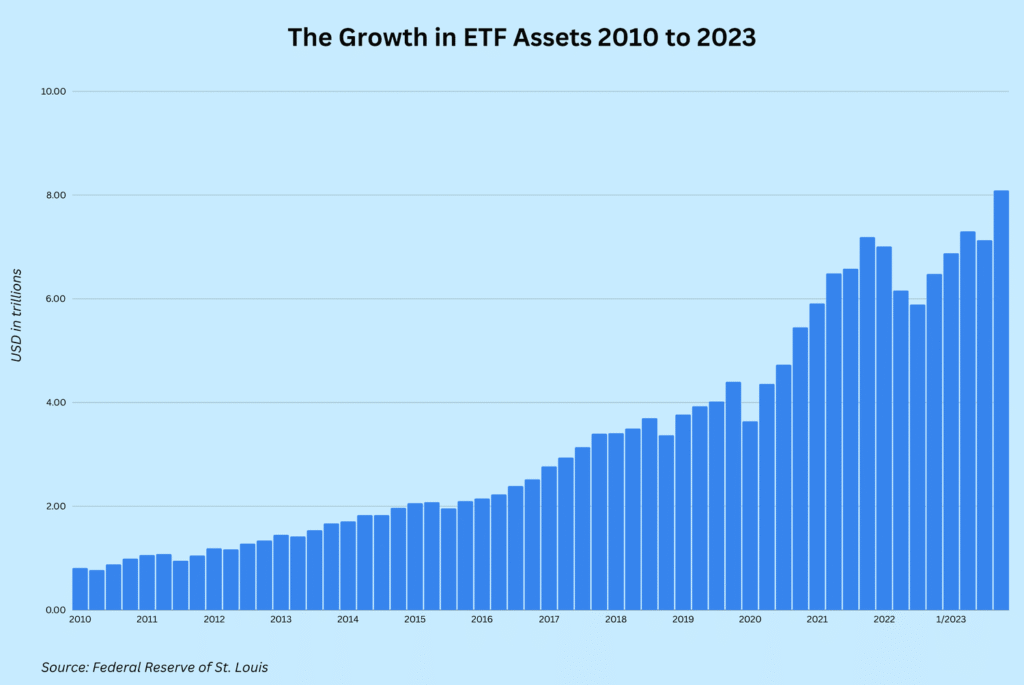
Best Long-Term Growth ETFs in Canada (Quick Table)
| ETF | Exposure | Risk Level | Best For |
|---|---|---|---|
| VEQT | Global equities | High | One-ETF growth portfolios |
| VFV | U.S. equities | Medium-High | U.S. market exposure |
| VCN | Canadian equities | Medium | Home-bias balance |
| XAW | Global ex-Canada | High | International diversification |
Best All-In-One Growth ETF
All-in-one growth ETFs are the simplest way to invest for the long term.
Funds like VEQT or VGRO automatically hold Canadian, U.S., and international stocks in one package. You don’t need to rebalance or manage allocations.
Risk levels matter:
- VGRO-style ETFs include some bonds for smoother returns
- VEQT-style ETFs are 100% equities for maximum growth potential
For beginners, this simplicity is exactly why they’re recommended in Best ETFs for Beginners in Canada.
Most of these ETFs are offered by Vanguard Canada and iShares Canada , two of the largest ETF providers in the country.
Best U.S. Market Growth ETF
The U.S. market has been the engine of global growth for decades.
ETFs tracking the S&P 500 or the total U.S. market give you exposure to companies like Apple, Microsoft, and Google, without picking stocks individually.
U.S. exposure matters because:
- Many global leaders are American
- Innovation and earnings growth are strong
- Returns have historically outpaced many other regions
Currency fluctuations can add volatility, but over long periods they usually balance out.
Best Canadian Market Growth ETF
Canada should still play a role in a growth portfolio.
Canadian ETFs provide exposure to:
- Financials
- Energy
- Natural resources
This creates home bias, which reduces currency risk and improves diversification for Canadian investors. The trade-off is sector concentration, which is why Canada should be part of a portfolio, not the whole thing.
Best Global Equity ETF
Global equity ETFs invest outside Canada and the U.S., covering Europe, Asia, and emerging markets.
This diversification:
- Reduces reliance on one economy
- Smooths long-term volatility
- Improves resilience over decades
Global ETFs tend to be more volatile short-term, but they add stability long-term when combined with North American exposure.
Growth ETFs vs Dividend ETFs
Growth and dividend ETFs serve different purposes.
Growth ETFs focus on capital appreciation, while dividend ETFs focus on income. For beginners, growth usually wins because:
- Dividends are taxable outside registered accounts
- Income isn’t needed early in wealth-building
- Growth compounds faster over long horizons
Dividend ETFs can make sense later, which is explained in Best Dividend ETFs in Canada.
Where to Hold Growth ETFs (TFSA vs RRSP)
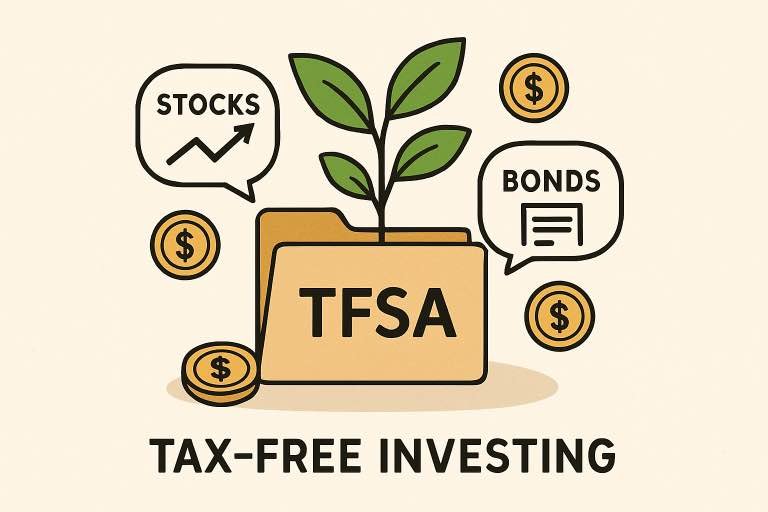
For most beginners, a TFSA is the best place to hold growth ETFs.
TFSA advantages:
- Tax-free capital gains
- Tax-free withdrawals
- Flexibility for changing goals
RRSPs may make sense at higher incomes, but TFSA is usually the starting point. This strategy is detailed in TFSA Investing Strategy for Beginners.
How to Invest in Growth ETFs Over Time
Most Canadians build wealth using:
- Dollar-cost averaging (investing regularly)
- Occasional lump-sum investing (bonuses, refunds)
Dollar-cost averaging reduces emotional mistakes and is explained step-by-step in Dollar-Cost Averaging Explained (Canada).
Platforms like Wealthsimple and Questrade make recurring ETF purchases simple and automated.
Common Growth ETF Mistakes
Long-term investors hurt themselves by:
- Chasing recent performance
- Buying too many overlapping ETFs
- Panic selling during downturns
- Constantly changing strategies
Growth ETFs reward patience, not activity.
Final Recommendation
If you want a clean, effective setup:
One-ETF portfolio
- VEQT-style ETF
- Lowest effort, highest simplicity
Two-ETF portfolio
- Global equity ETF
- Canadian equity ETF
Only add complexity when your portfolio and confidence grows.
Choose one growth ETF and set up automatic investing this month. Time in the market beats everything else.
FAQ Long-Term Growth ETFs in Canada
Are growth ETFs risky?
They fluctuate short-term, but risk decreases over long time horizons.
Do I need multiple growth ETFs?
No. One well-diversified ETF is enough for most investors.
Should beginners avoid dividends?
Not avoid, but growth usually matters more early.
How often should I rebalance?
Once per year is more than enough.