Disclosure: This post may contain affiliate links. We may earn a commission if you sign up through our links, at no extra cost to you.
Introduction
Most Canadians don’t struggle financially because they don’t earn enough. They struggle because they don’t have a plan.
Financial planning in Canada doesn’t need to be complex, expensive, or time-consuming. In fact, a simple financial plan is often more effective than an overcomplicated one you never follow.
This beginner’s guide to financial planning in Canada for 2025 shows you how to build a clear, realistic plan step by step, even if you’re starting from scratch.
If you can budget, save, and automate a few smart decisions, you’re already ahead of most people.
What Is Financial Planning? (Simple Definition)
Financial planning is the process of deciding how you earn, spend, save, invest, and protect your money so it supports the life you actually want.
A solid financial plan answers a few key questions:
Where is my money going each month?
What am I saving for, and why?
How do I protect myself from emergencies?
How do I grow my wealth over time?
Once these are clear, money becomes predictable instead of stressful.
Why Financial Planning Matters More Than Ever in Canada (2025)
In 2025, Canadians are facing:
Higher cost of living
Elevated interest rates
Housing affordability pressure
Job uncertainty
Rising consumer debt
Without a financial plan, most people rely on credit cards and react to problems after they happen. With a plan, you stay in control and make decisions ahead of time.
That’s the difference.
The 6 Core Pillars of Financial Planning in Canada
Think of these pillars as the foundation of your entire financial life. Skip one, and the structure becomes unstable.
1. Budgeting (The Foundation)
You can’t plan what you don’t track.
Budgeting gives you visibility and control, not restriction.
Key actions include tracking income, setting spending limits, and automating bills. If you want a practical starting point, How to Budget in Your 20s (Canadian Edition) walks through this step by step.
Personal tip: Once I stopped guessing where my money went and actually tracked it, my savings rate doubled without earning more.
2. Saving Money (Short-Term Goals)
Savings protect you from surprises and reduce stress instantly.
Credit can be a powerful tool or a long-term burden.
Smart credit management focuses on paying bills on time, keeping utilization under 30%, and avoiding unnecessary debt. If you want to understand this properly, Beginner’s Guide to Canadian Credit Scores explains how the system actually works, and Best Cash-Back Credit Cards in Canada shows how to earn rewards without hurting your score.
4. Investing for the Future
Saving protects you. Investing builds wealth.
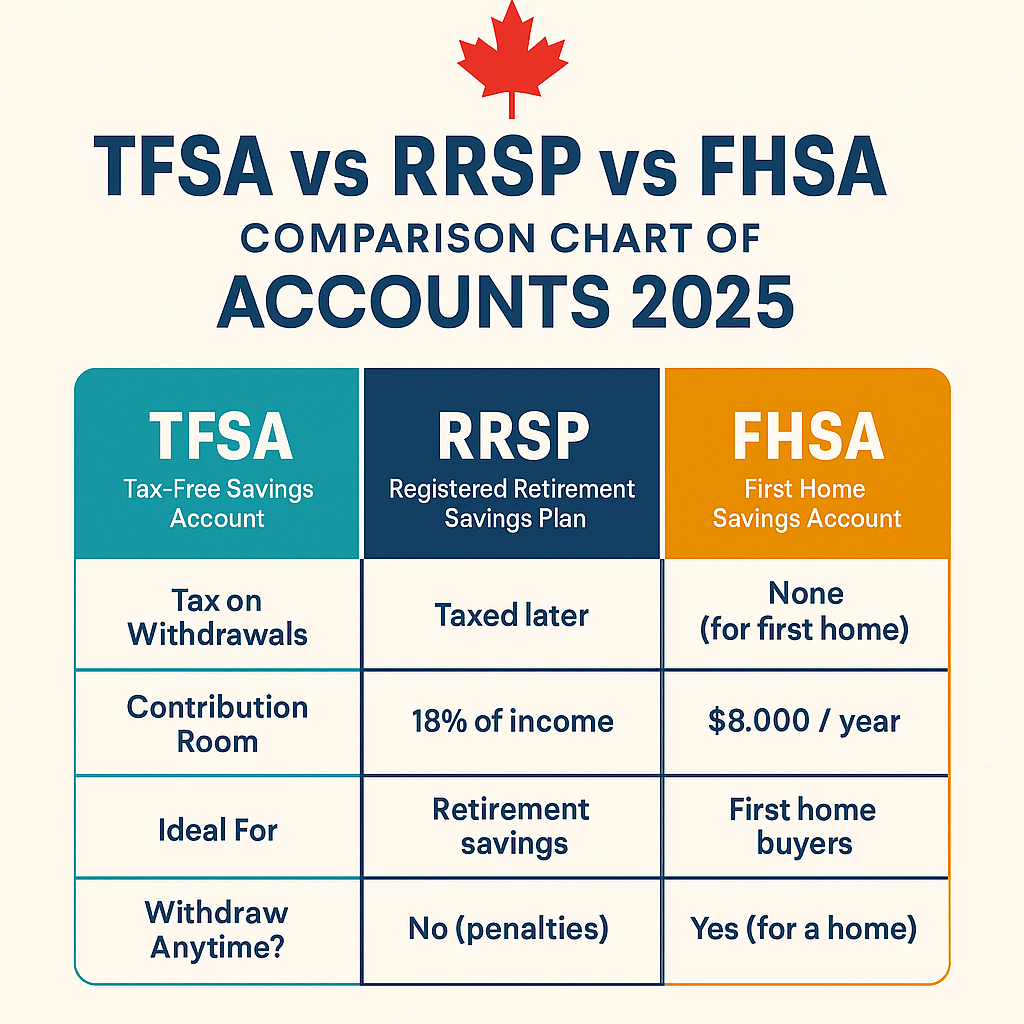
Beginner-friendly investing options in Canada include ETFs, index funds, and robo-advisors. Choosing the right account matters just as much as choosing investments, which is why Best ETFs for Canadian Investors and TFSA vs RRSP vs FHSA are essential reads once your basics are in place.
5. Protecting Yourself (Insurance & Risk)
This pillar is often ignored until it’s too late.
Insurance exists to prevent financial disasters, not to grow wealth. Health insurance, tenant or home insurance, life insurance, and disability coverage all play a role depending on your situation.
Good protection keeps one bad event from wiping out years of progress.
6. Growing Income & Wealth
Saving alone won’t get most Canadians where they want to go.
Auto-pay bills, auto-save, and auto-invest. When money moves automatically, consistency becomes effortless.
Step 5 Review Quarterly, Not Daily
Check in every three months.
Adjust goals, increase savings if possible, and rebalance investments if needed. Financial planning is a system, not a daily obsession.
Common Financial Planning Mistakes Canadians Make
Many beginners make the same errors:
Trying to do everything at once
Overcomplicating investing
Ignoring credit health
Skipping an emergency fund
Saving without investing
Avoiding these mistakes puts you far ahead of average.
Do You Need a Financial Advisor in Canada?
You might need one if you have complex taxes, own a business, or are nearing retirement.
However, most beginners do not need a financial advisor yet. A solid plan, automation, and basic education go a long way early on. When needed, fee-only planners listed onFP Canadaor Money Coaches Canada are safer than commission-based advisors.
Example of a Simple Canadian Financial Plan
Here’s what a clean setup might look like:
50% needs
30% wants
20% savings and investing
Accounts include a TFSA with ETFs, a HISA for emergencies, and a cash-back credit card paid in full every month.
Simple. Effective. Sustainable.
Final Thoughts
Financial planning in Canada isn’t about perfection. It’s about clarity.
Once you have a plan, money stops being stressful and starts working for you. Start small, automate early, and build from there.