How to Invest Your First $1,000 in Canada (2026 Beginner’s Guide)

Disclosure: This post may contain affiliate links. We may earn a commission if you sign up through our links, at no extra cost to you.

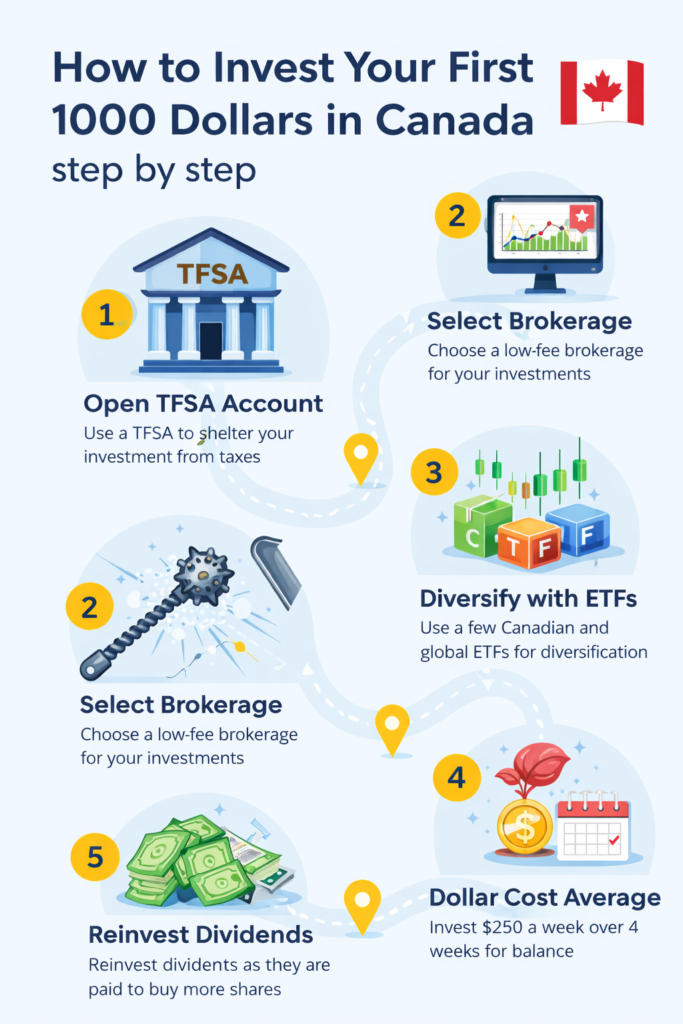
how to invest your first 1000 dollars in Canada step by step

Getting started is the hardest part. Many beginners want to invest your first $1,000 in Canada, but feel overwhelmed by choices, afraid of losing money, and unsure where to begin.

The truth is simple: you don’t need a perfect plan, you just need a clear one.

In this guide, you’ll learn exactly how to invest your first $1,000 in Canada step by step, using a simple, beginner-friendly approach.


Why Your First $1,000 Matters

Your first investment is not about getting rich.

Starting point

It marks the beginning of your investing journey.

Building habits

Consistency matters more than the amount.

Confidence > amount

Once you invest your first $1,000, investing becomes easier and more natural.

In fact, starting small builds the discipline that leads to long-term wealth.


Step 1 Open the Right Account

Before investing, choose the right account.

TFSA first

Most Canadians should start with a TFSA because:

  • investment growth is tax-free
  • withdrawals are tax-free

RRSP second

RRSPs are useful if you’re in a higher tax bracket and want deductions.

FHSA if buying a home

If you plan to buy your first home, an FHSA can offer powerful tax advantages.

To understand which account fits your situation, check out TFSA vs RRSP vs FHSA.

Choosing the right account is the foundation when you invest your first $1,000 in Canada.


Step 2 Choose the Right Platform

Next, you need a platform to invest.

Robo-advisors

  • Fully automated
  • Ideal for beginners
  • Minimal effort required

Online brokers

  • More control
  • Lower fees
  • Requires some knowledge

If you want simplicity, start with Best Robo Advisors in Canada.
If you want more control, explore Best Online Brokers in Canada.

According to Investopedia’s robo-advisor overview, robo-advisors are designed to simplify investing for beginners.


Step 3 Pick a Simple Investment

Avoid overcomplicating your first investment.

All-in-one ETFs

One ETF can give you global diversification instantly.

Index ETFs

Track entire markets like the S&P 500.

Diversified approach

Broad exposure reduces risk over time.

If you’re unsure where to start, see Best ETFs for Canadian Investors.

According to Vanguard’s index investing research, index funds consistently outperform most active strategies over the long term.

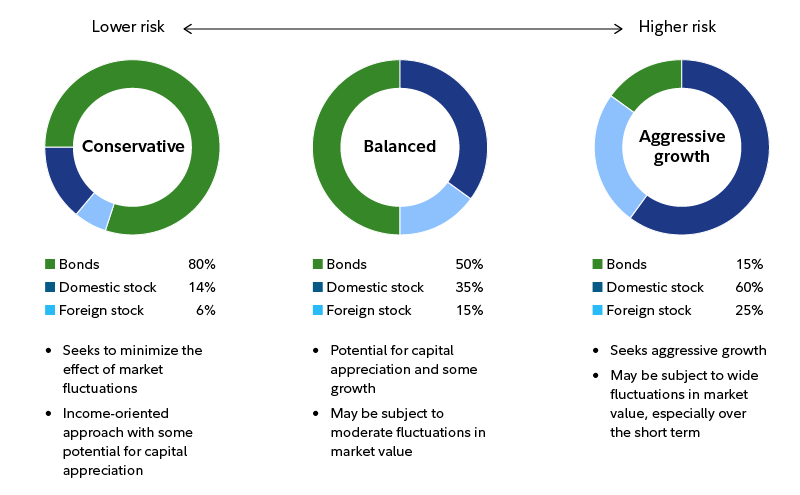
simple ETF strategy for first 1000 investment Canada

Step 4 Invest All at Once or Gradually?

You have two options.

Lump sum investing

Invest the full $1,000 immediately.

Pros:

  • more time in the market
  • higher expected returns

Dollar-cost averaging

Invest smaller amounts over time.

Pros:

  • reduces emotional stress
  • lowers timing risk

For beginners, a simple approach often works best.

You can learn more in Dollar-Cost Averaging Guide.

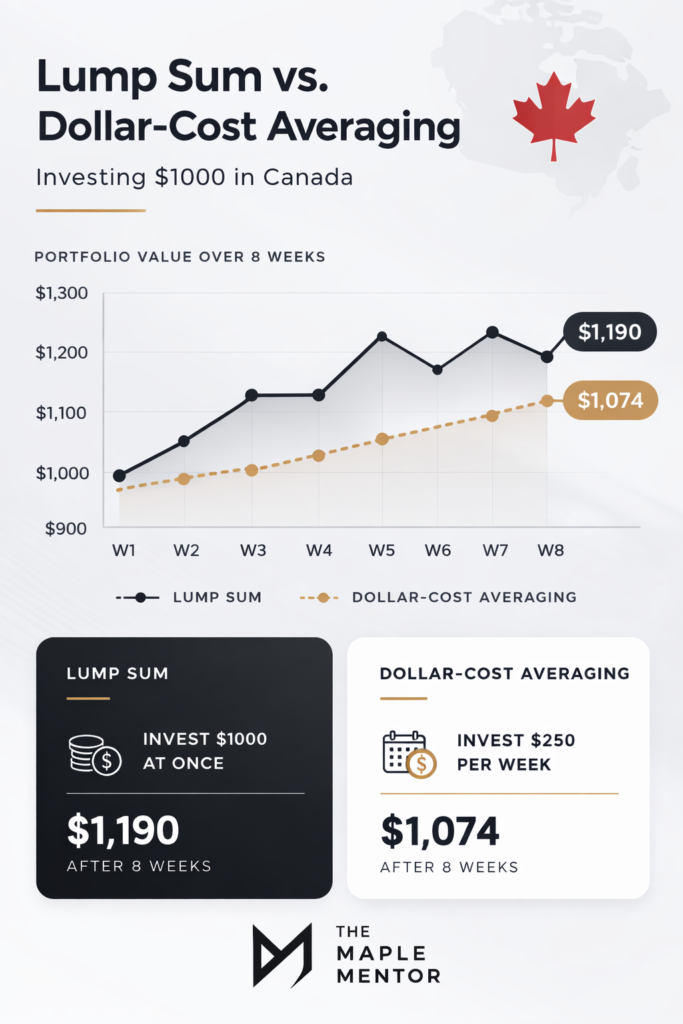
investing 1000 lump sum vs dollar cost averaging Canada

Step 5 What to Expect After Investing

This is where mindset matters.

Market fluctuations

Your investment will go up and down. That’s normal.

Long-term growth

Markets trend upward over time.

Patience

Real results take years, not weeks.

According to Investopedia’s long-term investing guide, staying invested is one of the most important factors in success.


Example Investing $1,000 in Canada

Here’s a simple example.

TFSA

  • Invest $1,000 into one all-in-one ETF

Why this works

  • instant diversification
  • low fees
  • easy to manage
  • no tax on growth

This approach keeps everything simple and effective when you invest your first $1,000 in Canada.


Common Beginner Mistakes

Avoid these early pitfalls.

Waiting too long

Delaying your start costs more than any market drop.

Overthinking

You don’t need the perfect strategy.

Picking risky stocks

Speculation increases risk unnecessarily.

Checking too often

Daily monitoring leads to emotional decisions.

Most beginners struggle not because of strategy, but because of behaviour.


How to Grow Your First $1,000

Your first investment is just the beginning.

Add monthly contributions

Consistency builds momentum.

Reinvest returns

Let your gains compound over time.

Stay consistent

Long-term discipline drives results.

To continue building, follow How to Invest $100 Per Month in Canada.

Small, consistent actions lead to large outcomes.


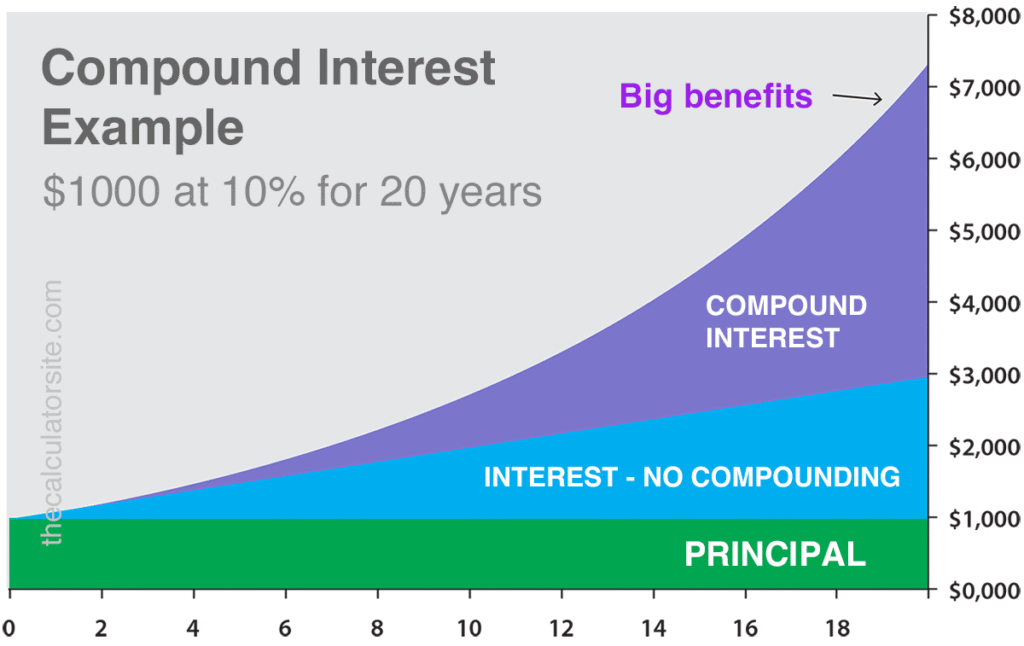
growth of first 1000 investment over time in canada

Final Takeaway

Starting is more important than being perfect.

If you want to invest your first $1,000 in Canada, focus on:

  • choosing the right account
  • picking a simple ETF
  • staying consistent

Over time, that first $1,000 becomes the foundation of your entire portfolio.


Frequently Asked Questions

Is $1,000 enough to start investing?
Yes. It’s a strong starting point for beginners.

Should I invest all $1,000 at once?
Both lump sum and gradual investing can work.

What is the safest investment for beginners?
Diversified ETFs are commonly used.

Can I lose money investing $1,000?
Yes in the short term, but long-term investing reduces risk.