
Disclosure: This post may contain affiliate links. We may earn a commission if you sign up through our links, at no extra cost to you.
Most Canadians don’t ignore retirement on purpose. They’re busy building careers, raising families, and paying bills. Retirement feels “far away,” so it gets pushed aside.
But here’s the truth: retirement planning for Canadians in their 30s and 40s is where lifelong wealth is actually built.
In this guide, you’ll get a realistic, low-stress system to prepare for retirement without sacrificing your life today.
Why Your 30s and 40s Matter for Retirement Planning in Canada
Your 30s and 40s are the financial sweet spot.
Compounding advantage
Money invested now has 20–35 years to grow. That’s powerful.
Peak earning years
Most people earn the most between 35 and 55. This is when saving gets easier.
Time vs money tradeoff
In your 20s, you had time but little money.
In your 50s, you’ll have money but less time.
Your 30s and 40s give you both.
This is why smart retirement planning for Canadians in their 30s and 40s pays off massively later.
How Much Do You Need to Retire in Canada?
You don’t need a perfect number. You need a reasonable target.
Basic retirement math
A common rule is:
25× your annual retirement spending
Example:
$50,000/year × 25 = $1.25M
Lifestyle-based estimates
Your number depends on:
- Housing costs
- Travel plans
- Health expenses
- Family support
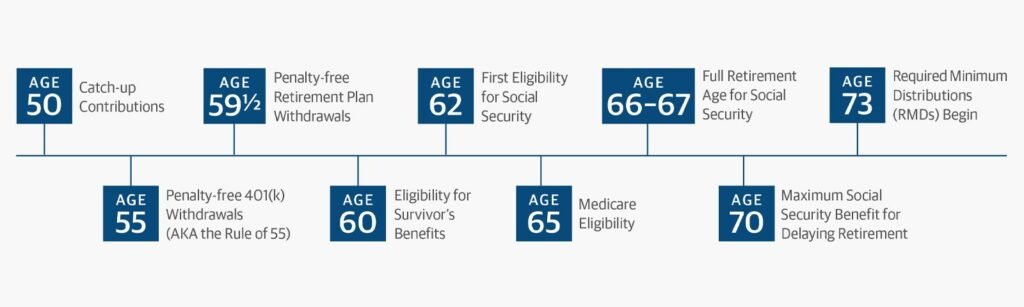
CPP and OAS (light overview)
Government benefits help, but they won’t replace your income.
According to Government of Canada CPP overview and OAS program details, most retirees still need personal savings.
Think of CPP and OAS as a foundation, not a full pension.
Retirement Accounts Every Canadian Should Use
Your accounts matter as much as your investments.
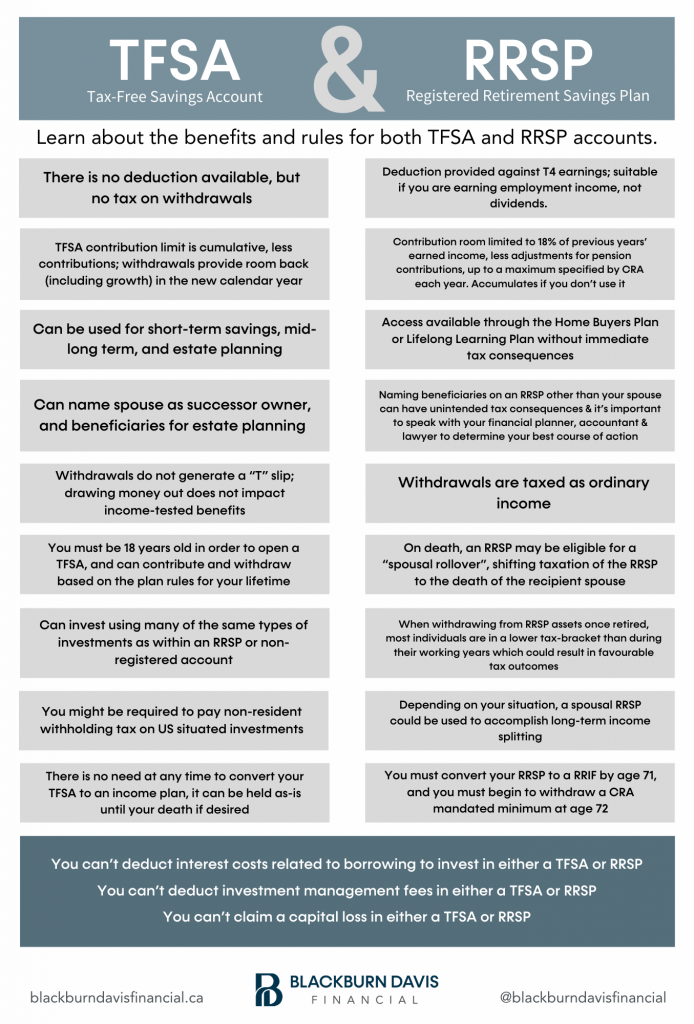
TFSA
- Tax-free growth
- Flexible withdrawals
- Perfect for long-term investing
RRSP
- Tax deductions today
- Tax-deferred growth
- Powerful in high-income years
FHSA (if applicable)
If you plan to buy a home, this can free up future cash flow.
TFSA vs RRSP vs FHSA explains how to coordinate these accounts properly.
For official rules, see CRA registered plans guide.
Best Retirement Investing Strategy for Canadians (30s & 40s)
This is where many people overthink things.
Long-term ETF focus
Low-cost, diversified ETFs should form the core of your retirement plan.
Growth → balance shift
- 30s: Mostly growth
- 40s: Gradually add stability
- 50s+: Focus on balance and income
Avoid speculation
Crypto, penny stocks, and “hot tips” don’t belong in retirement accounts.
Best Canadian ETFs for Long-Term Growth explains growth options.
Beginner Portfolio Examples shows simple long-term setups.
According to Vanguard investor research, low-cost diversified portfolios consistently outperform complex strategies.
How Much Should You Save for Retirement?
You don’t need perfection. You need consistency.
Percentage approach
Aim for:
- 10% minimum
- 15–20% ideal
- 25%+ if catching up
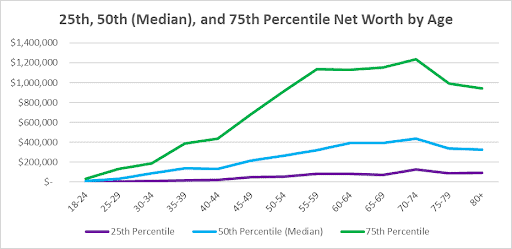
Age-based benchmarks
By:
- 30: ~1× salary
- 40: ~3× salary
- 50: ~6× salary
These are guidelines, not judgments.
Catch-up strategies
If you’re behind:
- Increase RRSP use
- Redirect bonuses
- Cut lifestyle inflation
How Much Should You Invest Each Month helps you set realistic targets.
Retirement Planning in Your 30s: Growth-Focused Strategy
Your 30s are about building momentum.
Aggressive growth
High equity exposure makes sense with long timelines.
TFSA-first strategy
For many Canadians, maxing the TFSA first works well.
Risk tolerance
Short-term drops don’t matter yet. Stay invested.
This phase is the foundation of retirement planning for Canadians in their 30s and 40s.
Retirement Planning in Your 40s: Balance and Protection
Your 40s are about protecting what you’ve built.
Risk reduction
Start reducing extreme volatility slowly.
Portfolio balance
Introduce more balanced ETFs or bonds if needed.
Income planning
Begin thinking about future cash flow and withdrawal strategies.
This decade is where discipline really pays off.
How to Track Retirement Progress in Canada
What gets measured gets managed.
Net worth tracking
Track assets, liabilities, and investments.
Portfolio reviews
Check allocations once or twice per year.
Annual checkups
Review goals, contributions, and risk.
How to Track Your Net Worth shows a simple tracking system.
For performance benchmarks, Investopedia retirement planning guide is a useful reference.
Common Retirement Planning Mistakes in Canada
Even smart people make these mistakes.
Waiting too long
Delaying by 5 years can cost hundreds of thousands.
Under-investing
Saving too little is more dangerous than market volatility.
Overconfidence
Past success doesn’t guarantee future returns.
Ignoring inflation
$50,000 today won’t feel the same in 25 years.
Avoiding these is half of winning.
Sample Retirement Roadmap (Ages 30 to 60+)
Here’s a realistic example.
Age 30
- Start investing seriously
- 80–90% equities
- Focus on TFSA/RRSP
Age 40
- Strong savings habit
- Balanced growth portfolio
- Increase RRSP use
Age 50
- Portfolio stabilization
- Begin income planning
- Reduce major debt
Age 60+
- Withdrawal strategy
- CPP/OAS integration
- Income-focused portfolio
Small steps each decade create massive results.
Final Retirement Planning Checklist for Canadians
Use this as your baseline.
Set a target
Define your retirement number.
Max TFSA and RRSP
Prioritize tax shelters.
Automate investing
Remove willpower from the process.
Rebalance yearly
Keep risk aligned.
Review every 3–5 years
Adjust as life changes.
If you follow this system, retirement planning for Canadians in their 30s and 40s becomes manageable instead of stressful.
Frequently Asked Questions
Is it too late to start in my 40s?
No. Many Canadians build strong retirements starting in their 40s.
Should I prioritize TFSA or RRSP first?
It depends on income, but many start with TFSA.
Do I need a financial advisor?
Not always. Many people succeed with ETFs and discipline.
How much risk should I take in my 30s?
Usually higher, as long as you stay invested long term.