
Disclosure: This post may contain affiliate links. We may earn a commission if you sign up through our links, at no extra cost to you.

Most Canadians know they should track their money. Yet very few actually do.
Why? Because it feels overwhelming, boring, or uncomfortable.
In reality, learning how to track your net worth in Canada doesn’t require complex spreadsheets or daily check-ins. You just need a simple system you’ll actually stick with.
This guide shows you exactly how to do it, without turning your life into a finance obsession.
Why Most People Avoid Tracking Net Worth
Let’s be honest.
People avoid tracking because:
- They’re afraid of what they’ll see
- They think it’s “for rich people”
- They don’t know where to start
- They assume it’s complicated
But here’s the truth: clarity beats comfort every time.
Once you understand how to track your net worth in Canada properly, money stops feeling mysterious.
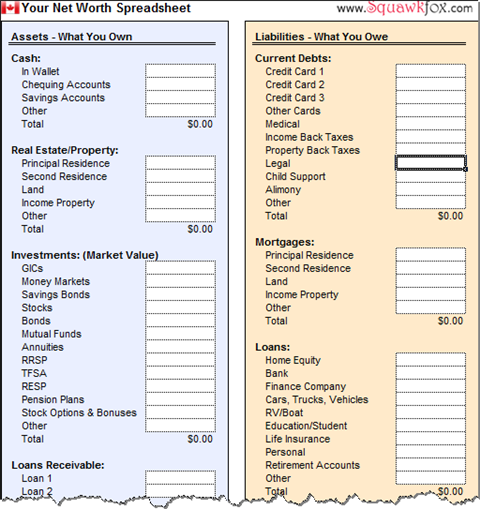
What Is Net Worth? (Simple Definition)
Assets – Liabilities
Your net worth is:
Everything you own – Everything you owe
That’s it.
Why income ≠ wealth
You can earn $100,000 and still be broke if you owe $120,000.
Income is what you make.
Net worth is what you keep.
Long-term importance
Over decades, your net worth tells the real story of your financial progress.
Why Tracking Net Worth Matters for Canadians
Motivation
Watching your numbers improve is incredibly motivating.
Better decisions
Clear numbers lead to smarter spending and investing.
Early warning system
Rising debt or shrinking savings becomes obvious early.
Financial clarity
You stop guessing and start planning.
According to Investopedia’s net worth guide , consistent tracking improves long-term financial behaviour.
Step 1: List Your Assets When Tracking Net Worth in Canada
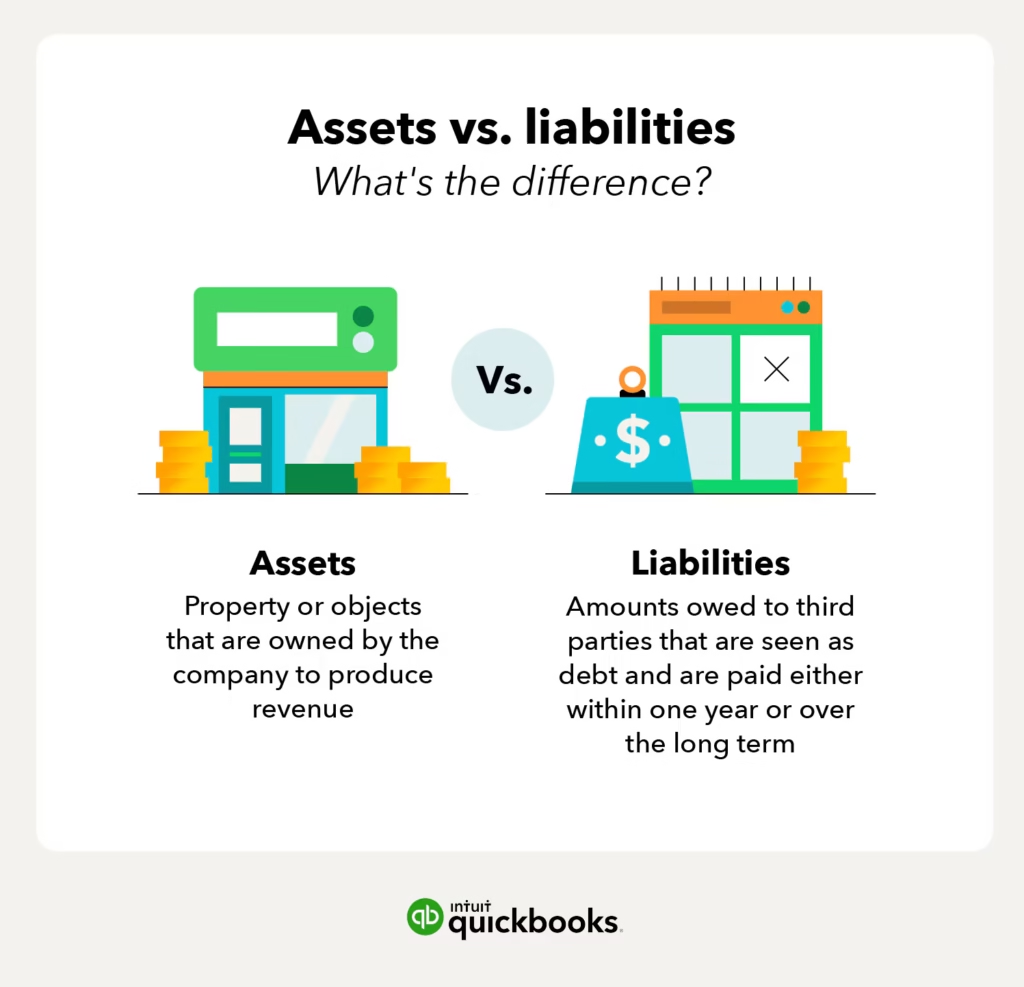
Assets are everything you own that has value.
Cash
Chequing and savings accounts.
High-Interest Savings Accounts (HISAs)
These should be separated from regular savings.
Best High-Interest Savings Accounts helps you optimize this.
TFSAs and RRSPs
Include the current market value, not contributions.
Investments
ETFs, stocks, mutual funds, and robo-advisor accounts.
Property
Use a realistic market estimate, not a hopeful one.
Vehicles (optional)
Only include if you plan to sell. Otherwise, be conservative.
For valuation standards, CRA asset guidelines provide official context.
Step 2: List Your Liabilities
Liabilities are everything you owe.
Credit cards
Use the full balance, not the minimum payment.
Lines of credit
Include personal and home equity lines.
Student loans
Federal and private loans count.
Mortgage
Outstanding balance only, not original amount.
Car loans
Include remaining principal.
Beginner’s Guide to Canadian Credit Scores explains how debt affects your finances.
Ignoring liabilities is the fastest way to fake progress.
Step 3: Calculate Your Net Worth (Simple Formula)
Now bring it together.
Formula
Total Assets – Total Liabilities = Net Worth
Example:
Assets: $120,000
Liabilities: $70,000
Net Worth: $50,000
Spreadsheet example
A simple Google Sheet works perfectly:
- Column A: Asset/Liability
- Column B: Amount
- Auto-sum totals
No fancy tools required.
Frequency (monthly/quarterly)
Most people should update:
- Quarterly at minimum
- Monthly if motivated
This is the foundation of learning how to track your net worth in Canada long term.
Best Tools to Track Net Worth in Canada
Spreadsheets
Pros:
- Free
- Customizable
- Private
Cons:
- Manual updates
Budgeting apps
Some apps link to your accounts automatically.
Best Budgeting Apps in Canada compares the best options.
Manual vs automated
Manual = more awareness
Automated = more convenience
Choose what you’ll actually use.
Wealthsimple financial tools also offer basic tracking features for investors.
How Often Should You Update Net Worth?
Beginners
Every 3 months is enough.
Active investors
Monthly works well.
Long-term planners
Quarterly plus annual review is ideal.
Over-checking leads to obsession. Under-checking leads to drift.
Balance matters.
What to Do With Your Net Worth Number
Tracking is useless without action.
Set goals
Example:
- +$20,000 in 2 years
- Debt-free by 35
- $250K by 40
Adjust investing
If assets grow slowly, increase contributions.
Reduce debt
If liabilities dominate, focus on repayment.
Improve savings rate
Aim for 15–25% if possible.
How Much Should You Invest Each Month helps you set targets.
Beginner Portfolio Examples shows how to structure investments.
This is where knowing how to track your net worth in Canada becomes powerful.
Common Net Worth Tracking Mistakes
Over-checking
Daily tracking creates anxiety.
Ignoring liabilities
Debt avoidance leads to fake progress.
Inflating assets
Wishful thinking isn’t math.
Comparing to others
Everyone’s timeline is different.
Focus on your trend, not someone else’s highlight reel.

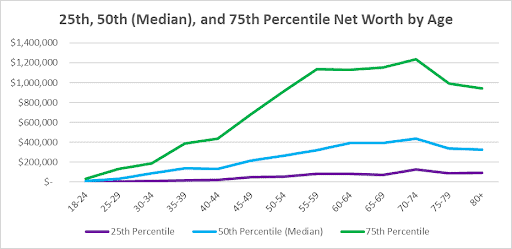
Sample Net Worth Growth Timeline (Illustrative)
This is just an example, not a rule.
Age 25
Net Worth: -$10K to $20K
(Student loans + starter savings)
Age 30
Net Worth: $50K to $150K
(Career growth + investing)
Age 40
Net Worth: $300K to $600K
(Home equity + portfolios)
Age 50
Net Worth: $700K+
(Compounding takes over)
Consistency creates this curve.
Final Takeaway on Tracking Net Worth in Canada
Progress > perfection
Imperfect tracking beats no tracking.
Trends matter
Direction matters more than exact numbers.
Stay consistent
Small improvements compound.
If you commit to learning how to track your net worth in Canada and review it regularly, you’ll automatically make better financial decisions.
That’s the real advantage.
Frequently Asked Questions
Is net worth more important than income?
Yes. Net worth reflects long-term financial health.
Should I include my house in net worth?
Yes, but use a realistic value.
Is negative net worth bad?
Not early in life. Focus on improving the trend.
Do I need special software?
No. A simple spreadsheet works.