
Disclosure: This post may contain affiliate links. We may earn a commission if you sign up through our links, at no extra cost to you.
When you’re new to investing, theory only goes so far. What most people actually need are clear beginner investment portfolio examples in Canada that feel realistic, simple, and doable.
That’s exactly what this guide delivers. No overengineering, no 12-ETF nonsense, just portfolios you can actually stick with.
Why Beginners Need Portfolio Examples, Not Theory
Most beginners already know they “should invest.”
What they don’t know is what a real beginner portfolio actually looks like.
Without examples, people either:
- Overcomplicate things
- Freeze and do nothing
- Or copy random portfolios they don’t understand
Seeing beginner investment portfolio examples for Canadians removes guesswork and builds confidence.
What Makes a Good Beginner Investment Portfolio in Canada?
A strong beginner portfolio isn’t fancy. It’s practical.
Diversification
You want exposure to many companies, sectors, and countries.
Low fees
High fees quietly destroy long-term returns.
Simplicity
The fewer moving parts, the easier it is to stay consistent.
Easy to maintain
You shouldn’t need to monitor your portfolio every week.
Fits TFSA or RRSP
Beginner portfolios should work cleanly inside registered accounts.
Before You Build a Beginner Investment Portfolio (Quick Checklist)
Before investing a dollar, make sure these basics are covered:
- Emergency fund started
- High-interest debt under control
- Investment account chosen (TFSA or RRSP)
TFSA vs RRSP vs FHSA helps you pick the right account before investing.
For official contribution rules, CRA registered accounts overview is the authoritative source.
Portfolio #1: One-ETF Beginner Investment Portfolio (Canada)
This is the simplest beginner investment portfolio example in Canada.
How it works
You buy one all-in-one ETF that holds thousands of stocks globally.
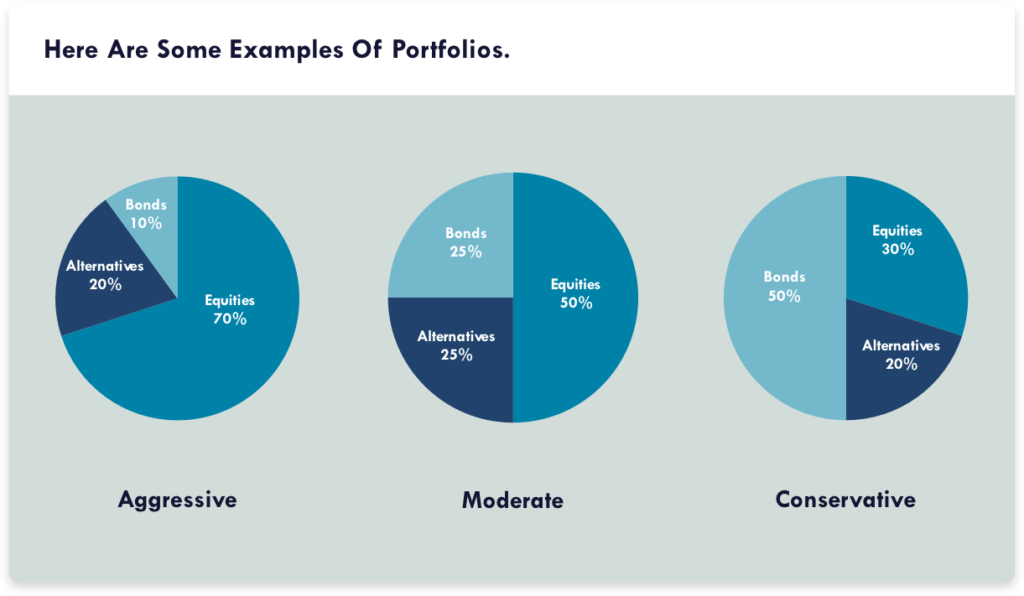
Risk levels explained
- Conservative, more bonds, lower volatility
- Balanced, mix of stocks and bonds
- Growth, mostly stocks, higher long-term returns
Who this is best for
- Total beginners
- People who want zero complexity
- Investors who value consistency over optimization
Best ETFs for Beginners in Canada (2026) breaks down the best all-in-one options.
Portfolio #2: Two-ETF Beginner Portfolio Example (Canada)
This option adds a small step up in control while staying simple.
How it works
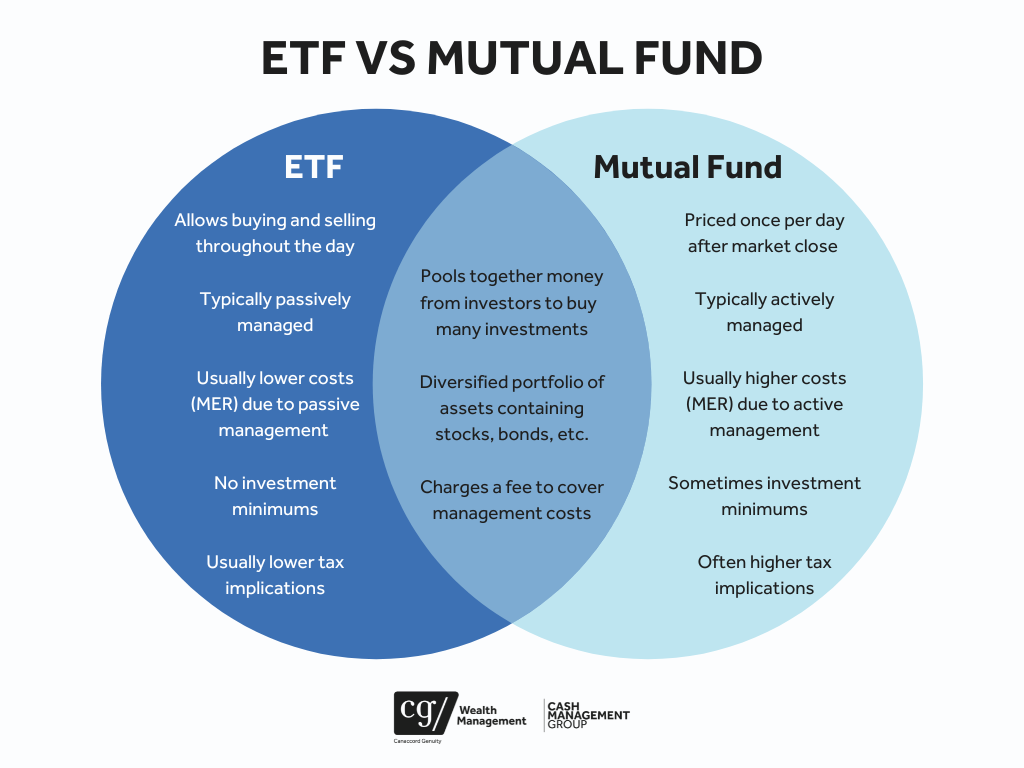
- One Canadian equity ETF
- One global equity ETF
Why this works
- Slightly more flexibility
- Better control over home vs global exposure
- Still very easy to manage
Who this fits
- Beginners who want to learn
- Investors comfortable rebalancing once a year
According to Vanguard portfolio construction research, diversification across regions is a key driver of long-term stability.
Portfolio #3: Growth-Focused Beginner Investment Portfolio
This is a growth-first beginner investment portfolio example for Canada.
Equity-heavy allocation
Most or all of the portfolio is invested in stocks.
Long-term mindset
This portfolio assumes you won’t touch the money for 10–30 years.
Higher volatility explained
Big swings are normal. The goal is long-term growth, not short-term comfort.
Best Canadian ETFs for Long-Term Growth (2026) shows which ETFs suit this style.
Portfolio #4: Robo-Advisor Beginner Portfolio (Canada)
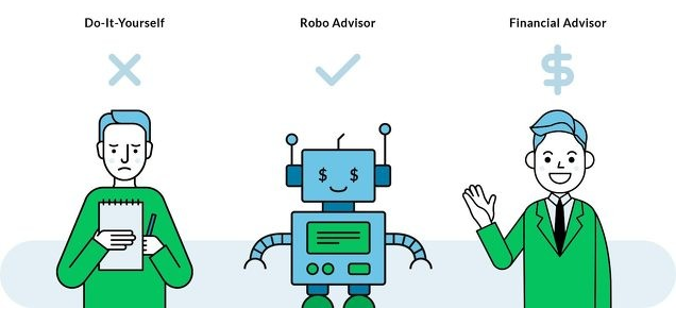
Some beginners want zero involvement. That’s where robo-advisors shine.
Fully automated option
You answer questions, and the platform builds and manages your portfolio.
Risk questionnaire
Your answers determine how aggressive or conservative your portfolio is.
When this makes sense
- You want hands-off investing
- You’re worried about emotional decisions
- You value automation over lowest fees
Platforms like Wealthsimple Managed Investing and Questwealth Portfolios are common Canadian options.
ETF vs Robo-Advisor: Which Is Better in Canada? helps you decide.
Portfolio #5: Hybrid Beginner Investment Portfolio
Yes, you can mix strategies.
Robo + DIY ETF approach
- Robo-advisor for automated investing
- DIY ETF portfolio for extra savings or learning
When to use this
- You’re transitioning from beginner to DIY
- You want automation plus flexibility
How to keep it simple
Limit yourself to one robo account and one ETF account, nothing more.
How Much to Contribute to a Beginner Investment Portfolio
Consistency matters more than amount.
Monthly investing examples
- $100/month → solid habit builder
- $300/month → strong long-term impact
- $500+/month → aggressive wealth building
Scaling contributions over time
Increase contributions as income grows instead of constantly changing strategies.
How Much Should You Invest Each Month in Canada? explains this clearly.
For compounding visuals, Investopedia’s compound growth guide is a helpful reference.
How to Maintain a Beginner Investment Portfolio
Rebalancing basics
- Once per year is usually enough
- All-in-one ETFs rebalance automatically
When to change (rarely)
Only adjust if:
- Your goals change
- Your time horizon shifts
- Your risk tolerance truly changes
What NOT to do
- Tinker constantly
- React to headlines
- Chase last year’s winners
Common Beginner Portfolio Mistakes in Canada
Even good portfolios fail when misused.
Too many ETFs
More ETFs doesn’t mean more diversification.
Chasing performance
Past returns don’t predict future results.
Frequent changes
Switching strategies resets compounding.
Panic selling
Selling during downturns locks in losses.

Final Recommendation for Beginner Investment Portfolios
Start simple
One ETF or one robo-advisor is enough.
Stick to one strategy
Consistency beats cleverness every time.
Increase complexity later
Only after experience and portfolio size grow.
The best beginner investment portfolio in Canada is the one you actually stick with.
Frequently Asked Questions
How many ETFs should a beginner own in Canada?
Usually one or two is plenty.
Is a robo-advisor good for beginners?
Yes, especially if you want automation and simplicity.
Should beginners invest in growth portfolios?
Often yes, if the time horizon is long.
Can I change portfolios later?
Yes, but avoid frequent changes.