
Disclosure: This post may contain affiliate links. We may earn a commission if you sign up through our links, at no extra cost to you.
If you’re new to investing in Canada, this is one of the first real decisions you’ll face: ETF vs robo-advisor.
And honestly, it’s where a lot of beginners get stuck. Both options are popular, both sound “safe,” and both are constantly recommended online.
So in this guide, I’ll give you a clear, no-BS answer based on your personality, your time, and your long-term goals, not hype or complexity.
Why Beginners Get Stuck Choosing
Most Canadians aren’t asking, “Which option is mathematically perfect?”
They’re really asking:
- How much effort do I want to put in?
- How likely am I to panic or procrastinate?
- Do I want simplicity or control?
The truth is, the best investing strategy is the one you’ll actually stick with.
What Is an ETF? (Quick Refresher)
What ETFs are
An ETF (Exchange-Traded Fund) is a basket of investments, usually stocks or bonds, that trades like a stock.
Instead of picking individual companies, you buy one ETF and instantly own hundreds or thousands of businesses.
How Canadians buy them
Canadians buy ETFs through online brokerages like Questrade, Wealthsimple Trade, or bank platforms.
You choose:
- The ETF
- The account (TFSA, RRSP, taxable)
- How much to invest
DIY investing basics
With ETFs, you’re in control. You decide what to buy, when to invest, and how to rebalance.
That freedom is powerful, but it comes with responsibility.
What Is a Robo-Advisor?
Automated portfolios
A robo-advisor builds and manages a diversified ETF portfolio for you.
You don’t pick ETFs. The platform does.
Risk questionnaires
You answer a few questions about risk tolerance and time horizon, and the robo assigns you a portfolio.
Rebalancing + automation
Robo-advisors automatically:
- Rebalance your portfolio
- Reinvest dividends
- Keep you on track
Platforms like Wealthsimple Managed Investing and Questwealth Portfolios are popular in Canada.
ETF vs Robo-Advisor (Quick Comparison Table)
| Feature | ETFs (DIY) | Robo-Advisor |
|---|---|---|
| Fees | Lower | Higher |
| Effort | More | Very low |
| Control | High | Low |
| Best for | DIY investors | Hands-off investors |
Pros & Cons of ETFs
Pros
Lower MERs
ETFs are cheap. Lower fees mean more of your money stays invested.
Full control
You decide asset allocation, timing, and strategy.
Tax efficiency
DIY ETFs allow better tax planning in TFSAs and RRSPs.
According to Vanguard Canada research , lower costs are one of the strongest predictors of long-term returns.
Cons
Requires discipline
You need to invest consistently and rebalance occasionally.
Emotional mistakes possible
Panic selling is the biggest enemy of DIY investors.
Manual rebalancing
Unless you use all-in-one ETFs, you’ll need to rebalance yourself.
Pros & Cons of Robo-Advisors
Pros
Fully automated
Set it up once and let it run.
Good for beginners
You don’t need to understand markets to start.
Reduces emotional investing
Automation prevents bad decisions during market swings.
Cons
Higher total fees
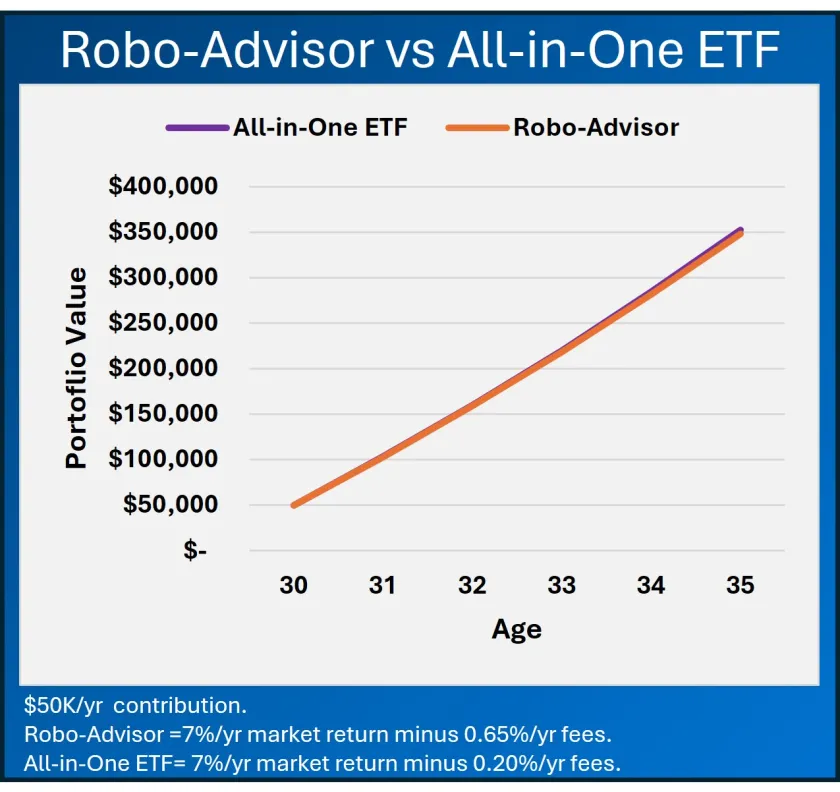
Robo fees + ETF MERs add up over time.
Less customization
You can’t fine-tune your portfolio much.
Long-term cost drag
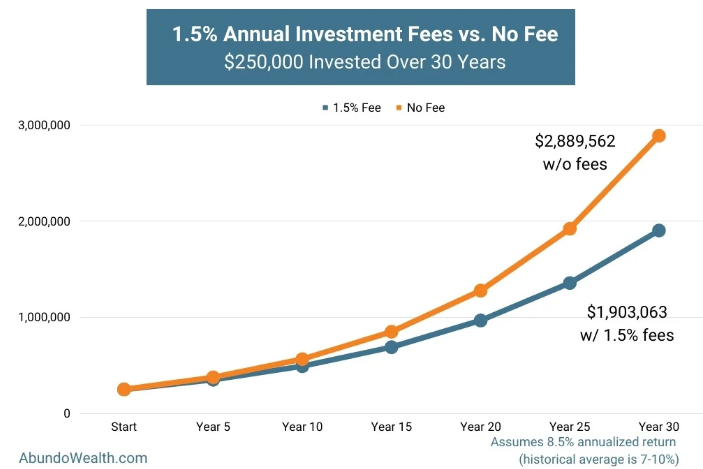
Even a 0.50% extra fee compounds heavily over decades.
Investopedia’s fee impact breakdown shows how small percentages can snowball long term.
Which Is Better for Beginners in Canada?
This comes down to personality, not intelligence.
Hands-on → ETFs
If you like learning, checking your portfolio, and staying involved, ETFs are usually better.
Hands-off → Robo-advisor
If you hate managing money or fear emotional mistakes, a robo-advisor is often the safer choice.
Time vs cost tradeoff
Robo-advisors save time. ETFs save money. Neither is wrong.
ETF vs Robo-Advisor in a TFSA
Tax impact (minimal difference)
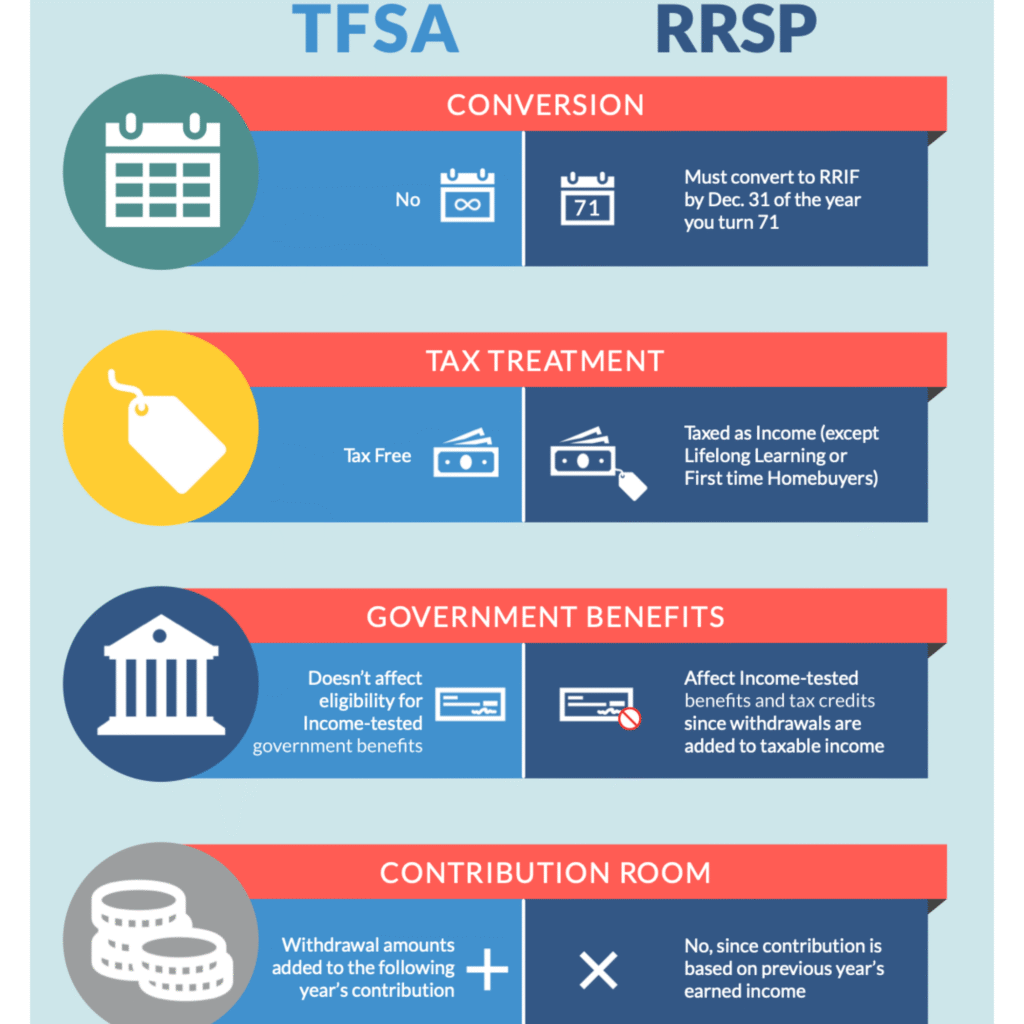
Both are tax-sheltered in a TFSA, so taxes aren’t the deciding factor.
Ease of use
Robo-advisors win for simplicity.
Contribution automation
Robos make automatic contributions effortless, which helps consistency.
TFSA Investing Strategy for Beginners explains how to prioritize this account.
Best ETFs for Beginners in Canada (2026) helps if you want to go DIY.
For official TFSA rules, CRA TFSA overview is the authority.
ETF vs Robo-Advisor in an RRSP
Tax efficiency
Both work well inside RRSPs.
U.S. ETFs mention
Advanced investors can reduce U.S. withholding tax using U.S.-listed ETFs in RRSPs, something robo-advisors usually don’t optimize for.
When robo still makes sense
If you want zero effort and automatic investing, robo-advisors still do the job.
RRSP Investing Strategy for Beginners (2026) breaks this down clearly.
Cost Comparison Over Time (Simple Example)
Let’s keep this simple.
- $10,000 invested
- 20 years
- Same market returns
An extra 0.60% in fees from a robo-advisor can easily cost tens of thousands of dollars over time.
Fees compound just like returns, only in the wrong direction.
This is why long-term investors care so much about cost.
Can You Use Both?

Yes, and many Canadians do.
Hybrid approach
- Robo-advisor for hands-off automation
- ETFs for extra savings or learning
When it makes sense
If you’re transitioning from beginner to DIY, this can be a smooth middle step.
How to keep it simple
Avoid overcomplicating things. One robo account and one ETF account is more than enough.
Final Verdict
Best for total beginners
Robo-advisor
Start investing now, automate everything, avoid paralysis.
Best for cost-conscious investors
ETFs
Lower fees, more control, better long-term efficiency.
Best long-term choice
If you’re willing to learn and stay disciplined, ETFs usually win over decades.
The worst choice isn’t ETF or robo-advisor.
The worst choice is doing nothing.
Frequently Asked Questions
Is a robo-advisor safer than ETFs?
No, they use ETFs internally. The difference is automation, not risk.
Are ETFs too complicated for beginners?
Not if you use all-in-one ETFs.
Can I switch from a robo-advisor to ETFs later?
Yes, many investors do as confidence grows.
Do robo-advisors beat the market?
No. They aim to match market returns, minus fees.