
Disclosure: This post may contain affiliate links. We may earn a commission if you sign up through our links, at no extra cost to you.

Most Canadians misuse their TFSA.
Instead of investing, they leave money sitting in cash, use it like a chequing account, or trade too aggressively and sabotage the tax benefits.
This guide explains a simple, tax-smart TFSA investing strategy for beginners in Canada, so your TFSA actually helps you build wealth instead of holding it back.
What Is a TFSA? (Quick Refresher)
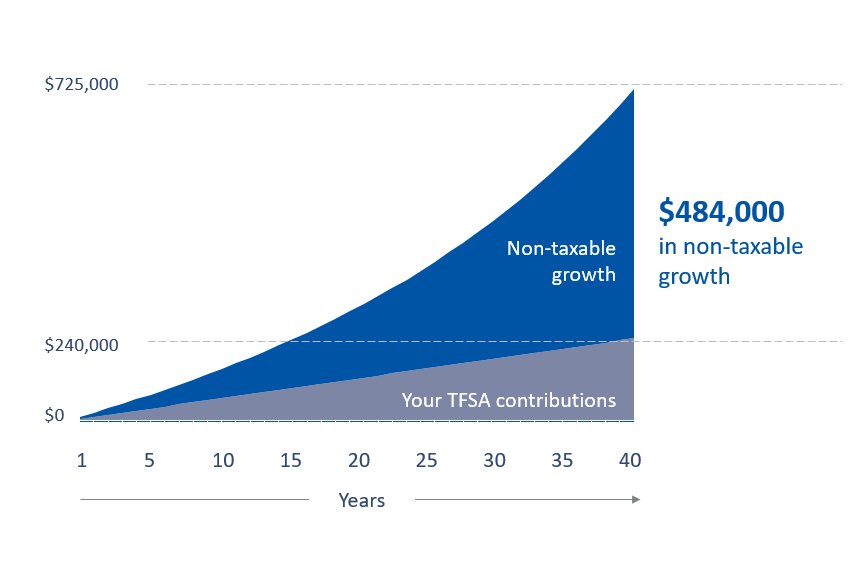
A Tax-Free Savings Account (TFSA) is a registered account where:
- Investment growth is tax-free
- Withdrawals are tax-free
- Contribution room resets when you withdraw
The biggest mistake Canadians make is treating their TFSA like a savings account. A TFSA is not just for cash, it’s one of the best investing tools in Canada.
The CRA designed it to reward long-term investing, not parking money.
Why the TFSA Is the Best Account for Beginner Investors
For beginners, the TFSA beats most other accounts because of its flexibility.
You don’t pay tax on:
- Capital gains
- Dividends
- Withdrawals
That makes it ideal for:
- Early-career investors
- People with variable income
- Canadians saving for multiple goals
Unlike RRSPs, there’s no penalty for taking money out, which reduces fear and makes it easier to start.
TFSA vs RRSP vs FHSA (When TFSA Wins)
A TFSA usually makes more sense if:
- Your income is lower or moderate
- You’re early in your career
- You’re unsure when you’ll need the money
- You’re investing outside strict retirement goals
This comparison is explained clearly in TFSA vs RRSP vs FHSA, but for most beginners, TFSA is the safest starting point.
Best TFSA Investing Strategy for Beginners
The winning TFSA strategy is boring and that’s a good thing.
Focus on:
- Simplicity
- Broad diversification
- Low fees
- Consistency
Avoid stock picking early. Most beginners underperform the market when they try to be clever. ETFs do the heavy lifting for you.
💬 Personal insight: The best TFSA investors aren’t smarter, they’re more patient.
Best Investments to Hold in a TFSA
TFSAs are perfect for growth-focused investments.
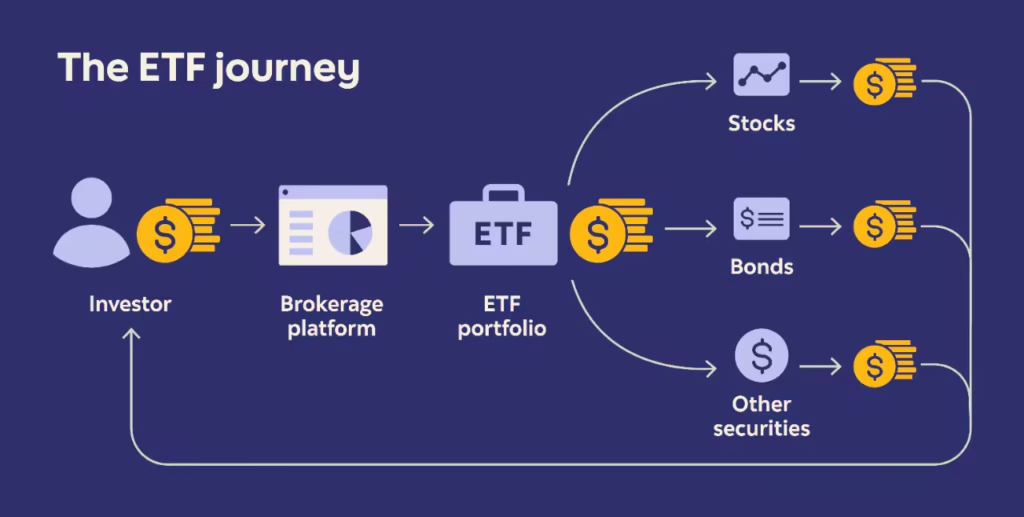
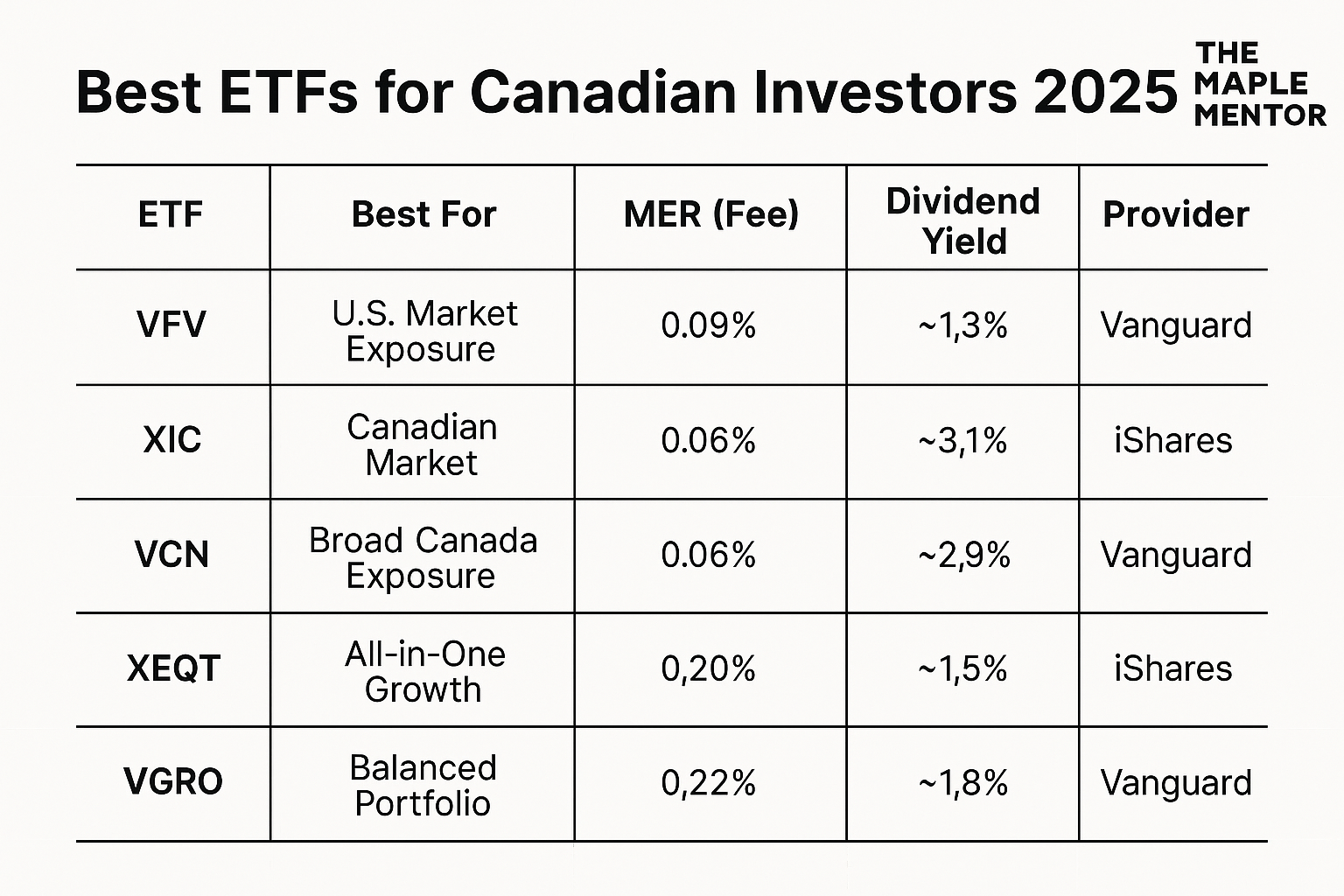
Most beginners start with broad-market ETFs from providers like Vanguard Canada or iShares Canada , because they offer instant diversification at very low cost.
Many new investors rely on all-in-one ETFs discussed in Best ETFs for Beginners in Canada, while others focus on long-term growth options covered in Best Canadian ETFs for Long-Term Growth.
What NOT to hold in a TFSA
- Long-term idle cash
- Frequent day trades
- Highly speculative assets
These either waste contribution room or increase the risk of costly mistakes.
How to Build a TFSA Portfolio (Simple Examples)
Conservative TFSA
- One balanced ETF
Balanced TFSA
- One growth-oriented ETF
Growth TFSA
- One aggressive all-equity ETF
You don’t need more than one or two investments until your portfolio grows significantly.
How to Contribute to a TFSA (Smartly)
You can fund a TFSA using:
- A lump sum
- Monthly contributions
- Contributions every payday
Many beginners use dollar-cost averaging because it reduces timing stress and emotional decisions. This approach is explained step by step in Dollar-Cost Averaging Explained (Canada).
Platforms like Wealthsimple and Questrade allow automatic TFSA contributions, which removes friction and builds consistency.
Common TFSA Investing Mistakes
Canadians often hurt their TFSA by:
- Leaving cash untouched for years
- Over-trading
- Buying too many overlapping ETFs
- Ignoring contribution limits
A TFSA rewards discipline more than activity.
TFSA Investing for Different Goals
Your TFSA can support multiple goals:
- Retirement investing
- First home savings
- Financial independence
- Medium-term flexibility
The key is matching risk level to timeline, not changing strategies constantly.
Final TFSA Investing Checklist
Before you’re done, make sure you:
- Open a TFSA
- Choose a broker or robo-advisor
- Pick simple ETFs
- Automate contributions
- Review once per year
Open your TFSA this week and invest your first contribution. The hardest part is starting, momentum does the rest.
FAQ TFSA Investing for Beginners
Should beginners use a TFSA for investing?
Yes. For most Canadians, it’s the best first investing account.
Can I lose money in a TFSA?
Yes, investments can fluctuate. The tax benefits don’t remove market risk.
Is cash bad in a TFSA?
Short-term cash is fine. Long-term cash wastes tax-free growth potential.
How often should I check my TFSA?
Monthly at most. Long-term investors benefit from checking less.