
Affiliate Disclosure: This post may contain affiliate links. We may earn a commission if you sign up through our links, at no extra cost to you.

Introduction
Building an emergency fund in Canada is one of the smartest moves you can make in 2025. Life hits hard at the worst times, and having cash ready means you stay protected without relying on credit cards or high-interest loans. In this guide, you’ll learn the best ways to build an emergency fund in Canada 2025, even if you’re starting from zero.
If you want to dive deeper into saving systems, you may also like Best Money-Saving Tips Canada and How to Save $10,000 in 2025.
How Much Should Canadians Have in an Emergency Fund?
Minimum Starter Emergency Fund
The starter goal is simple: save $500–$1,000.
This covers urgent expenses like small car repairs, prescriptions, or unexpected bills.
Standard Emergency Fund
Aim for three months of essential expenses.
This includes rent, groceries, utilities, transportation, and debt payments.
Full Emergency Fund (Ideal Target)
A complete emergency fund equals six months of essential expenses.
This amount is best for families, self-employed Canadians, newcomers, or anyone with an unstable income.
Best Accounts to Store an Emergency Fund in Canada
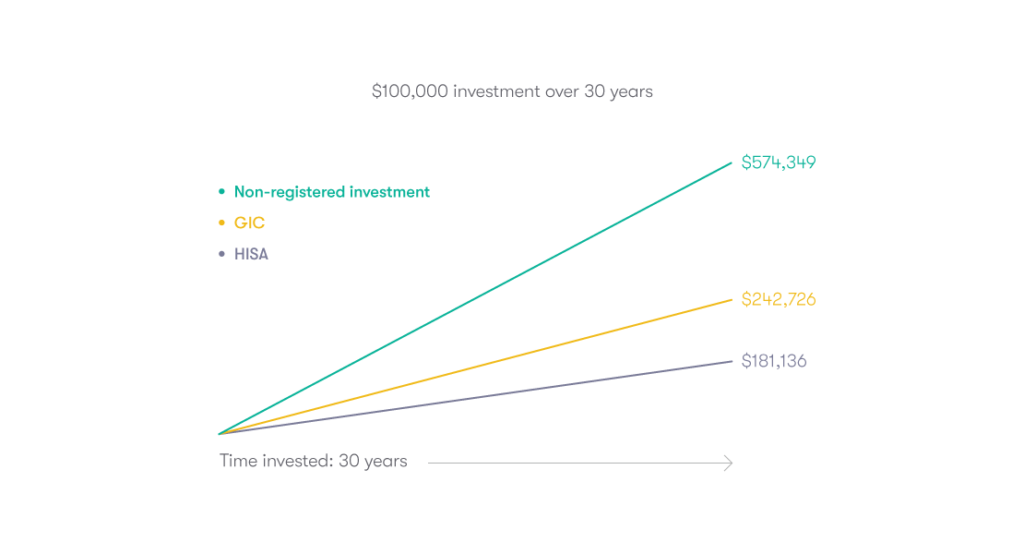
1. High-Interest Savings Account (HISA) (Best Overall)
A HISA is the safest and simplest place for your emergency fund. You get liquidity, no risk, and 2–4% interest depending on the bank.
Top HISA options include EQ Bank, Tangerine, and Wealthsimple Cash. For a deeper breakdown, see Best High-Interest Savings Accounts Canada.
2. TFSA (For Medium-Term Emergency Funds)
A TFSA works well if you already have a basic emergency fund and want tax-free growth.
Just avoid locking money in long-term ETFs if this is your only backup. I talk more about this in TFSA vs RRSP vs FHSA Canada.
3. Short-Term GICs (For Larger Emergency Funds)
If your fund is already solid, short-term or redeemable GICs can boost your interest rate without adding major risk.
Just remember: liquidity drops, so don’t lock up everything.
Best Ways to Build an Emergency Fund in Canada (2025)
1. Automate a Weekly Transfer
Small weekly automation, like $20–$50, is one of the easiest ways to grow savings fast.
Budgeting apps make this painless. I recommend checking out Best Budgeting Apps Canada for help.
2. Cut 2–3 Small Monthly Expenses
You don’t need extreme frugality. Just trim a few easy categories:
- Reduce food delivery
- Switch phone plans
- Cancel a couple of subscriptions
More examples are listed in Best Money-Saving Tips Canada.
3. Use Extra Income for the First $1,000
Any unexpected income can speed up your progress:
- Tax refunds
- Cash gifts
- Workplace bonuses
- Marketplace sales
- Side hustles
4. Open a Dedicated Emergency Account
Separate your emergency savings from your everyday spending.
This reduces the urge to tap into it and helps you stay disciplined.
5. Build Your Fund in Stages (So You Don’t Quit)
Breaking the goal into milestones keeps things achievable:
- Stage 1: $500
- Stage 2: $1,000
- Stage 3: One month of expenses
- Stage 4: Three to six months
6. Use “No-Spend Days” Weekly
No-spend days reset bad habits and boost momentum.
Try 1–3 per week for quick wins.
7. Save Unexpected Money Automatically
Whenever you get surprise cash, like a refund or a rebate, put at least 50% into your emergency fund. This builds savings painlessly.
8. Reduce Debt to Free Up Cash Flow
Lower debt = more money for savings.
I go deeper on this in How to Budget in Your 20s Canada, especially if you’re just getting started.

How Long Does It Take to Build an Emergency Fund in Canada?
Here’s a realistic timeline:
- $1,000 → 1–3 months
- 1 month of expenses → 3–6 months
- 3 months of expenses → 6–18 months
Consistency beats speed. Even slow progress compounds.
Mistakes to Avoid When Building an Emergency Fund
- Keeping savings in a chequing account
- Investing ALL your emergency money
- Using credit cards as your backup plan
- Not automating savings
- Saving whatever is “left over” instead of paying yourself first
Final Thoughts
The best ways to build an emergency fund in Canada 2025 all come down to three things: simplicity, consistency, and automation. Start with $500, set up weekly transfers, and build your safety net piece by piece. Your future self will thank you for it.
Start today. Open your emergency fund account, automate one small transfer, and give yourself the financial peace every Canadian deserves.
FAQ Emergency Funds in Canada (2025)
How much should a Canadian emergency fund be?
Between $1,000 and six months of essential expenses, depending on your situation.
Where should I keep my emergency fund?
A high-interest savings account (HISA) is best for most Canadians.
Should my emergency fund be in a TFSA?
It can be, but avoid locking the money in long-term investments.
How long does it take to save an emergency fund?
Anywhere from 1–18 months depending on income, expenses, and consistency.