Affiliate Disclosure: This post may contain affiliate links. We may earn a commission if you sign up through our links, at no extra cost to you.
Introduction
If you want better credit cards, cheaper car loans, easier rental approvals, or the lowest mortgage rates, learning how to improve your credit score in Canada in 2025 is one of the smartest financial moves you can make.
In this guide, you’ll discover exactly how credit scores work, how long improvements take, and the precise steps that actually raise your score fast.
Related: Best Cash-Back Credit Cards Canada 2025
Related: Best Budgeting Apps Canada
What Is a Credit Score in Canada?
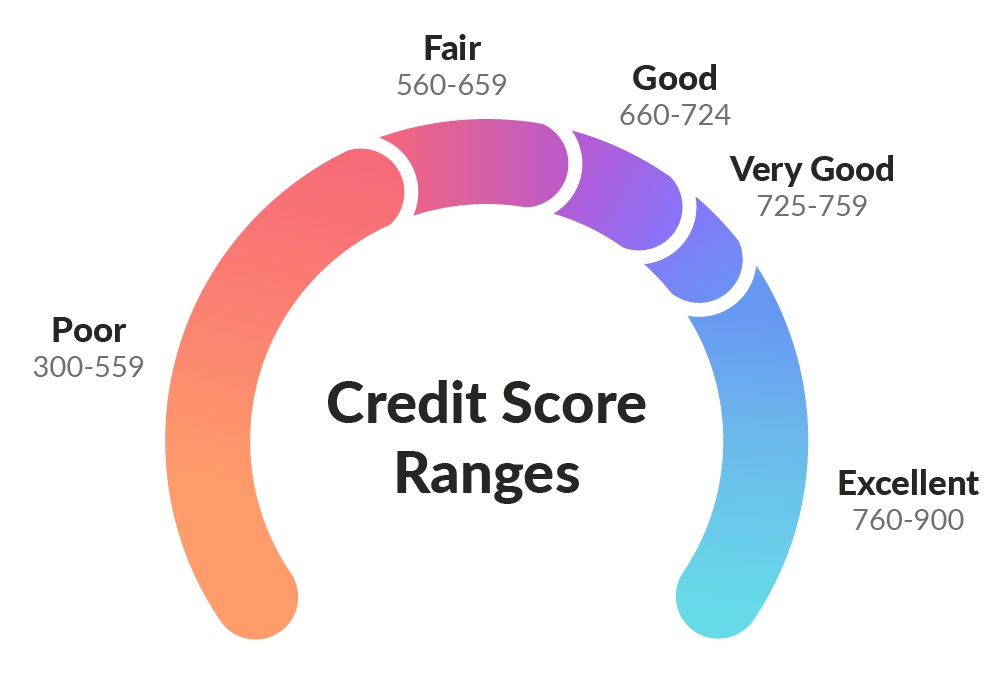
In Canada, your credit score ranges from 300 to 900 and is tracked by Equifax and TransUnion.
Credit score categories:
- 300–559: Poor
- 560–659: Fair
- 660–724: Good
- 725–759: Very Good
- 760+: Excellent
The higher your score, the lower your interest rates and the better your financial opportunities.
If you want to see how lenders evaluate credit risk, the Government of Canada has a simple overview.
Why Your Credit Score Matters

Your credit score affects major parts of your life:
- Mortgage approvals
- Car financing
- Credit card eligibility
- Rental housing approval
- Insurance premiums
- Interest rates across all major loans
Personal tip: More than once, I’ve seen people save $20,000+ in interest simply because they improved their score before applying for a mortgage.
How to Improve Your Credit Score (Step-by-Step)
1. Always Pay Your Bills on Time
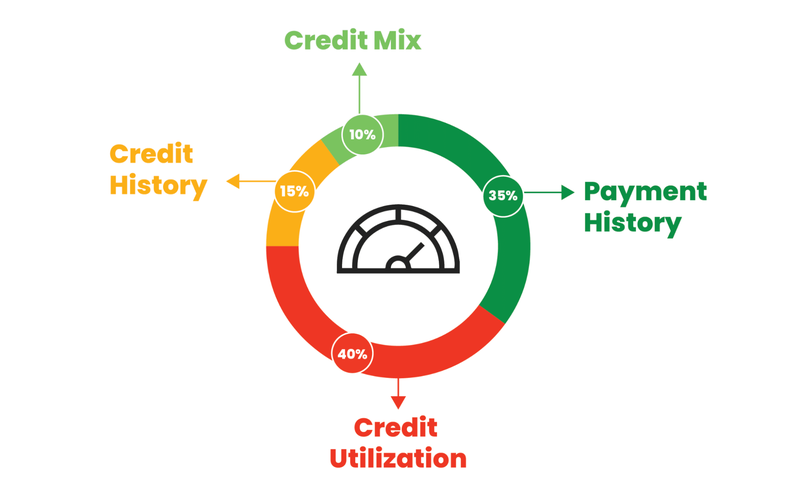
Payment history makes up 35% of your score.
- Turn on automatic payments
- Set reminders for due dates
- Avoid even one late payment, it matters
Related: Best Budgeting Apps Canada (for automated bill tracking)
2. Lower Your Credit Utilization
This is the second-biggest factor and the fastest win.
- Keep usage under 30% (10% is ideal)
- If you have a $2,000 limit → stay under $600
- Pay mid-month to lower the reported balance
Pro tip: Paying your card twice per month boosts your score faster.
3. Increase Your Credit Limit (Safely)
A quick strategy to improve your credit score in Canada in 2025:
- Request a limit increase once a year
- Do not increase your spending
- Many banks let you request increases online
This lowers your utilization overnight.
4. Use a Cash-Back Card Responsibly
Using a card responsibly helps your history and keeps your utilization predictable.
Related: Best Cash-Back Credit Cards Canada 2025
- Never carry a balance “to build credit” that’s a myth
- Pay in full every month
- Use rewards to stay motivated
If you tend to overspend, use a budgeting app to keep your habits clean.
5. Keep Old Accounts Open
Credit history length = 15% of your score.
Your oldest card is your most valuable.
Even if you don’t use it often, keep it open.
6. Avoid Hard Credit Checks
New credit makes up 10% of your score.
- Space applications every 3–6 months
- Avoid applying for multiple cards at once
- Compare cards before applying
Hard checks stay on your report for two years.
7. Use a Secured Card if Rebuilding Credit
Perfect if you’re new to Canada, a student, or repairing past issues.
Popular options:
- Neo Secured
- Capital One Secured
- Refresh Financial
A secured card builds your score the same way as a regular card.
How Long Does It Take to Improve Your Credit Score in Canada?
Typical improvement timelines:
- 1–3 months: Small boosts (lower utilization, no late payments)
- 3–6 months: Noticeable progress (limit increases, consistent payments)
- 6–12 months: Major improvements (from poor → good rating)
Your score reflects your behavior, consistency wins.
How to Check Your Credit Score for Free
These services let you check your score without hurting it:
- Borrowell (Equifax)
- Credit Karma (TransUnion)
- Mogo (alerts + monitoring)
Common Credit Score Myths
✔ Checking your own score does NOT hurt it
✔ Carrying a balance does NOT help your score
✔ Closing a card can LOWER your score
✔ Debit card use does NOT build credit
✔ Paying late “just once” absolutely matters

Mistakes That Destroy Your Credit Score
Avoid these at all costs:
- Missing payments
- Maxing out credit cards
- Applying everywhere
- Closing old accounts
- Ignoring suspicious charges
Credit Score Recovery Plan (Beginner-Friendly)
- Set up automatic payments
- Pay down balances to under 30%
- Request a limit increase
- Stop applying for new credit
- Track your score monthly
- Use a secured card if needed
This approach works for almost everyone.
Final Thoughts
Knowing how to improve your credit score in Canada in 2025 is a powerful financial move, especially if you’re planning a big purchase or want better credit card offers.
Start small, automate what you can, and stay consistent.
Your future self (and your wallet) will thank you.
Related: Best Cash-Back Credit Cards Canada
Related: Best High-Interest Savings Accounts Canada
FAQs (SEO Boost)
1. How fast can I raise my credit score in Canada?
Small improvements can show within 1–3 months. Major improvements take 6–12 months.
2. Does checking my credit hurt my score?
No, checking your own score is 100% safe.
3. Does carrying a balance help my score?
No. Paying in full is always better.
4. What’s the fastest way to raise my credit score?
Lower your utilization and avoid late payments.
5. How long does a hard inquiry stay on my report?
Two years (but only affects your score for the first 6–12 months).
If you’re ready to build wealth faster, start by improving your credit score today.
Pick one action from this guide and do it right now, tiny steps compound.